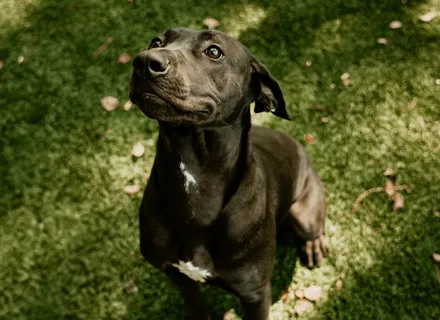
The most important dog walking safety habit is matching the walk to the conditions, and the quickest check is the 7-second pavement test: press the back of your hand to the ground for seven seconds, and if it is too hot for you, it is too hot for your dog’s paws. Beyond pavement temperature, safe walking comes down to a handful of fundamentals: the right gear, weather-appropriate timing, visibility in low light, and carrying the essentials. Get these right and walks stay what they should be, the best part of your dog’s day. Whether you walk your dog yourself or rely on a professional walker, these are the safety basics worth knowing.
How Do I Protect My Dog’s Paws From Hot Pavement?
Hot pavement is one of the most common and overlooked walking hazards. On a 30°C day, asphalt can reach 50 to 60°C, hot enough to burn paw pads in minutes. Use the 7-second test before every summer walk, and if the ground fails it:
- Walk in the early morning or after sunset, when surfaces are coolest
- Stick to grass and shaded paths instead of asphalt and concrete
- Keep walks short and watch for limping or licking at paws
- Consider paw balm or booties for extra protection
Signs of pavement burns include limping, reluctance to walk, dark or red pads, and licking the feet. For more on warm-weather risks, see our guide on summer pet safety, heat and hydration.
What About Cold-Weather Walks?
Winter brings its own hazards. Most healthy dogs handle cold down to around -6°C, but small, short-coated, young, and senior dogs feel it sooner. Watch for shivering, lifted paws, or a dog who wants to turn back early.
Two winter essentials:
- Road salt and de-icer irritate paws and are toxic if licked, so rinse and dry your dog’s feet after every walk, or use booties.
- Layers help short-coated dogs, a snug coat keeps them comfortable and willing to walk.
Keep cold-weather walks brisk and a little shorter, and always dry your dog off when you get home.
What Gear Keeps Walks Safe?
The right equipment makes walks safer and more comfortable for both of you.
- Harness over collar: A well-fitted harness avoids neck and trachea strain, especially for dogs that pull. A front-clip harness gives extra steering for strong pullers.
- Fixed-length leash (4 to 6 feet): Provides consistent control near roads and other dogs. Avoid retractable leashes in traffic, where the variable length reduces control.
- ID and microchip: A visible ID tag plus current microchip registration is your dog’s ticket home if they ever slip the leash.
- Reflective gear or a light: Essential for early-morning and evening walks so drivers can see you.
If your dog pulls hard enough to make walks stressful, our guide on how to stop leash pulling covers humane, effective fixes.
What Should I Carry on Every Walk?
A simple kit covers most situations:
- Waste bags (a couple of spares)
- Fresh water on warm or long walks
- High-value treats for recall and training moments
- A light or reflective band for low-light walks
- A small safety item like paw balm, a tick remover, or a basic first-aid pouch
How Do I Handle Other Dogs and Distractions Safely?
Even friendly dogs need management around triggers. Keep these habits:
- Create distance from oncoming dogs if yours is reactive, cross the street rather than force a tense pass.
- Keep your dog’s attention before they lock onto a squirrel or another dog, and reward check-ins.
- Never let a retractable leash run out near a road or an unknown dog.
Calm, predictable handling keeps walks low-stress and prevents the lunging and tangles that lead to injuries.
Safe Walks, Every Day
Safety on walks is mostly about preparation: test the pavement, dress for the weather, use secure gear, stay visible, and carry the essentials. Do that consistently and you remove almost every common walking risk. If you’d rather hand the daily walk to someone who already lives by these habits, our dog walking service uses secure leashing, weather-appropriate routes, and experienced handlers, with a photo update after every walk so you always know your dog got out safely.