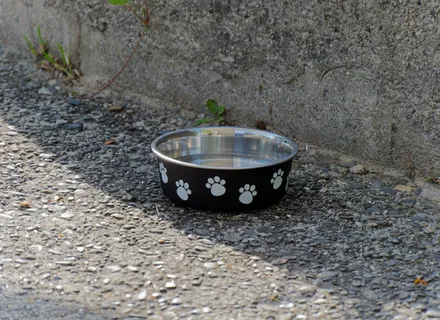
Summer heat poses serious and sometimes fatal risks to dogs, making proactive safety measures essential for every pet owner. Dogs regulate body temperature primarily through panting and limited sweat glands in their paw pads, which means they overheat far more quickly than humans do. According to the American Veterinary Medical Association (AVMA), heatstroke can develop in as little as fifteen minutes when a dog is left in a hot environment. The key to summer safety is a combination of hydration management, smart scheduling of outdoor activities, paw protection on hot surfaces, and recognizing early warning signs of heat-related illness. Whether you are heading to the park, the patio, or your backyard, the strategies in this guide will help you keep your dog healthy, comfortable, and safe all season long.
Why Is Summer Heat Dangerous for Dogs?
Dogs are far less efficient at cooling down than humans. They rely almost entirely on panting and minor perspiration through their paw pads, which cannot keep pace when ambient temperatures soar. Brachycephalic breeds, senior dogs, puppies, and overweight dogs face the highest risk. Understanding your dog’s unique vulnerabilities is the first step toward prevention.
How dogs regulate temperature
When a dog pants, moisture evaporates from the tongue and respiratory tract, carrying heat away from the body. In humid conditions, evaporation slows dramatically, making panting less effective. This is why a moderately warm but humid day can be just as dangerous as a scorching dry one.
Breed-specific risks
Short-nosed breeds such as French Bulldogs, Pugs, Boston Terriers, and Shih Tzus have narrower airways that limit airflow. The American Kennel Club (AKC) warns that these breeds are at elevated risk for heat-related emergencies even at temperatures that other dogs tolerate comfortably. Thick-coated breeds like Huskies and Bernese Mountain Dogs also struggle in the heat because their dense undercoats trap warmth.
If your dog has a thick double coat, seasonal grooming can make a significant difference. Our professional grooming services include deshedding treatments that help your dog stay cooler without compromising the coat’s natural UV protection.
How Can You Prevent Heatstroke in Dogs?
Prevent heatstroke by scheduling outdoor time during cooler hours, providing constant access to fresh water, never leaving your dog in a parked car, and monitoring for early warning signs like excessive panting and bright red gums. Quick intervention can be the difference between recovery and a life-threatening emergency.
Schedule activities wisely
The safest windows for walks, play, and exercise are before 9 a.m. and after 7 p.m. during peak summer months. Midday temperatures can push pavement surface heat well above 60°C (140°F), which causes painful burns on unprotected paw pads.
The parked car danger
According to the AVMA, the interior of a parked car can reach 47°C (116°F) within an hour even when the outside temperature is only 24°C (75°F). Cracking windows does virtually nothing to slow the temperature rise. Never leave your dog unattended in a vehicle, even for a quick errand.
Create cooling stations at home
Set up shaded rest areas in your yard with elevated mesh cot beds, which allow air to circulate beneath your dog. Kiddie pools filled with a few inches of cool water, frozen treat mats, and cooling vests are all effective tools. You can find pet-safe cooling accessories at our Cute Stuff section, where we stock veterinarian-recommended products for every season.
What Are the Signs and Treatment of Heatstroke?
Watch for excessive panting, thick drooling, bright red or purple gums, unsteadiness, vomiting, and collapse. If you observe these symptoms, move your dog to shade or air conditioning immediately, apply cool (not ice-cold) water to the neck, armpits, and groin, and call your veterinarian right away.
Why not use ice water?
Ice-cold water or ice packs can constrict blood vessels near the skin surface, trapping heat in the core and making the situation worse. Use cool tap water and a fan to promote gradual cooling. Offer small sips of water but do not force your dog to drink.
When to seek emergency care
Any dog exhibiting signs of heatstroke should be evaluated by a veterinarian even if symptoms appear to resolve. Internal organ damage can occur without visible external signs. Time is critical. The AVMA states that rapid treatment within the first 90 minutes dramatically improves survival rates. Burlington’s 24/7 emergency hospital is BVERH at (905) 637-8111; full first-aid steps and backup clinics are on our pet emergency page.
How Do You Protect Your Dog’s Paws in Summer?
Test pavement with the back of your hand for seven seconds. If it is too hot to hold comfortably, it is too hot for paws. Walk on grass or shaded trails, use protective booties, and apply paw wax before outings to create a barrier against hot surfaces and rough terrain.
Choosing the right paw protection
Dog booties with rubber soles provide the most reliable protection but require a short adjustment period. Start with brief indoor sessions so your dog gets comfortable with the feel. Paw wax is a lighter alternative that offers moderate heat and abrasion resistance without the bulk of booties. Both options are available through our Cute Stuff collection.
Post-walk paw care
After every summer walk, inspect paw pads for redness, blisters, or cracks. Rinse paws with cool water to remove debris and hot residue. Apply a pet-safe paw balm to keep pads supple and promote healing. If you notice persistent irritation or limping, schedule a check-up with your vet.
How Much Water Does a Dog Need in Summer?
A healthy dog needs approximately 50 to 100 mL of water per kilogram of body weight daily, and summer heat can double that requirement. A 25 kg Labrador may need over three litres on a hot day. Carry a collapsible bowl on every outing and refresh home water bowls multiple times a day.
Signs of dehydration
Check for dehydration by gently lifting the skin at the back of your dog’s neck. In a well-hydrated dog, the skin snaps back immediately. Slow return suggests dehydration. Other indicators include dry or tacky gums, sunken eyes, reduced energy, and dark yellow urine.
Creative hydration strategies
Not every dog drinks enthusiastically from a bowl. Try these approaches to boost fluid intake:
- Frozen broth cubes: Freeze low-sodium chicken or bone broth in ice cube trays for a hydrating treat.
- Water-rich foods: Add watermelon (seedless, no rind), cucumber, or blueberries to meals.
- Flavoured water: Add a small splash of unsalted broth to the water bowl to increase appeal.
- Multiple water stations: Place bowls in several locations around the house and yard so water is always within reach.
If your dog attends daycare at Pawlington, rest assured that fresh water stations are maintained throughout all play areas, and staff monitor hydration levels during every session.
What Outdoor Activities Are Safe for Dogs in Summer?
Swimming, early-morning hikes, shaded fetch sessions, and enrichment games indoors are all excellent summer activities. Avoid strenuous exercise during peak heat hours and always bring water, a collapsible bowl, and a shade option for any outdoor adventure.
Swimming safety
Not all dogs are natural swimmers, and even strong swimmers can tire quickly in open water. Use a dog-specific life jacket for lake, river, or ocean outings. Rinse your dog after swimming to remove chlorine, salt, or algae that can irritate skin and coat. Be aware of blue-green algae warnings. Ingestion of toxic algae can be fatal.
Enrichment as an alternative
On dangerously hot days, indoor enrichment can burn just as much mental energy as a long walk. Puzzle feeders, scent games, training sessions, and frozen stuffed toys keep your dog engaged without heat exposure. Check out our Cute Stuff range for puzzle toys and enrichment accessories that veterinary behaviourists recommend.
For dogs who need socialized play in a climate-controlled environment, our daycare programme offers supervised indoor and shaded outdoor play areas designed to keep dogs active and safe regardless of the weather.
How Should You Adjust Your Dog’s Diet in Summer?
Feed smaller, more frequent meals during hot weather to reduce metabolic heat production. Choose moisture-rich foods or add water to kibble. Avoid feeding immediately before or after vigorous exercise, and consult your veterinarian about any seasonal dietary adjustments.
Treats to avoid
Fatty, heavy treats can increase body temperature during digestion. In summer, opt for lighter options such as frozen fruit pieces, plain yoghurt drops, or commercial frozen dog treats. Avoid giving ice cream or popsicles made for humans, which often contain xylitol or other sweeteners toxic to dogs.
Meal timing
Shift meals to cooler parts of the day (early morning and evening) to align with your adjusted activity schedule. Dogs that eat during the hottest part of the day may lose appetite or experience digestive discomfort.
How Do You Keep Your Dog Safe During Summer Travel?
Secure your dog with a crash-tested harness or crate, never leave them unattended in a vehicle, run air conditioning before loading them in, and bring a travel kit with water, a bowl, a cooling mat, and veterinary records. Plan rest stops every two hours during road trips.
Summer boarding option
If travel plans do not allow you to bring your dog along, Pawlington’s boarding services provide a safe, comfortable, and air-conditioned home away from home. Our boarding facility maintains climate-controlled sleeping areas, supervised play sessions, and individualized care plans to keep your dog happy while you are away.
Road trip essentials checklist
- Collapsible water bowl and a full water jug
- Cooling mat or damp towel
- Dog-safe sunscreen
- Paw protection (booties or wax)
- Updated ID tags and microchip information
- Copy of vaccination records
- First aid kit with a digital thermometer
Planning ahead ensures that summer adventures remain enjoyable for both you and your dog. For tips on tailoring exercise to your dog’s breed and fitness level, read our guide on how much exercise your dog really needs.
Keep your dog safe and cool this summer. Whether you need climate-controlled daycare, professional grooming to manage a heavy coat, or comfortable boarding while you travel, Pawlington is here to help. Contact us today to learn more about our summer pet care services.