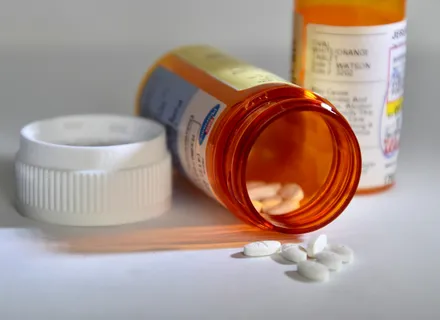
If your dog has eaten ibuprofen (Advil, Motrin), acetaminophen (Tylenol), naproxen (Aleve), or aspirin, call Burlington Veterinary Emergency Hospital (BVERH) at (905) 637-8111 or the Pet Poison Helpline at 1-855-764-7661 immediately. Human pain medications are among the most common accidental poisonings in dogs, and treatment in the first 2 to 6 hours is dramatically more effective than later care. Bring the bottle so the vet knows exactly what was ingested. Even if your dog seems fine right now, NSAID and acetaminophen damage often shows up 12 to 72 hours after ingestion, when treatment is much harder. This guide gives you the dose math, the symptom timeline, and what to expect at the vet.
What to Do in the First 10 Minutes
- Find the bottle. Identify the active ingredient (ibuprofen, acetaminophen, naproxen, aspirin), the strength per tablet, and count what is missing. Take a photo of the label.
- Note the time of ingestion and your dog’s weight.
- Call BVERH at (905) 637-8111 or Pet Poison Helpline at 1-855-764-7661. Both 24/7. The hotline will calculate the toxic dose immediately and tell you whether you need to drive in.
- Do not induce vomiting at home unless directly instructed. Hydrogen peroxide can cause its own complications, and brachycephalic breeds (Frenchies, Bulldogs, Pugs) should never be induced to vomit at home.
- Do not give milk, food, or “neutralizers.” These do not help and may delay treatment.
- Drive to BVERH at 775 Woodview Road in Burlington if instructed, or if you cannot reach a vet by phone in five minutes.
The full Burlington 24/7 emergency contact list and first-aid steps for other ingestion emergencies are on our pet emergency page.
Toxic Dose by Medication
Ibuprofen (Advil, Motrin, Nuprin)
| Dog weight | GI ulcer dose (50 mg/kg) | Kidney damage (175 mg/kg) | Severe / CNS (400 mg/kg) |
|---|---|---|---|
| 5 kg (11 lb) | 250 mg (1 tablet) | 875 mg (4 tablets) | 2,000 mg (10 tablets) |
| 10 kg (22 lb) | 500 mg (2.5 tablets) | 1,750 mg (9 tablets) | 4,000 mg (20 tablets) |
| 20 kg (44 lb) | 1,000 mg (5 tablets) | 3,500 mg (17 tablets) | 8,000 mg (40 tablets) |
| 30 kg (66 lb) | 1,500 mg (7.5 tablets) | 5,250 mg (26 tablets) | 12,000 mg (60 tablets) |
Standard Advil tablets are 200 mg. Extra-strength is 400 mg. A 5 kg dog reaches the GI ulcer threshold with a single Extra-Strength tablet.
Acetaminophen (Tylenol)
| Dog weight | Toxic (100 mg/kg) | Severe (200 mg/kg) |
|---|---|---|
| 5 kg (11 lb) | 500 mg (1 Extra-Strength) | 1,000 mg (2 Extra-Strength) |
| 10 kg (22 lb) | 1,000 mg (2 Extra-Strength) | 2,000 mg (4 Extra-Strength) |
| 20 kg (44 lb) | 2,000 mg | 4,000 mg |
Regular Tylenol is 325 mg, Extra-Strength is 500 mg. Acetaminophen is particularly dangerous because it has two toxic mechanisms (liver damage plus methemoglobinemia) and because there is a specific antidote (N-acetylcysteine) that must be given early to work well.
Naproxen (Aleve, Naprosyn)
Toxic at just 5 mg/kg. A single 220 mg Aleve tablet can cause toxicity in a 44 kg dog. Naproxen has a very long half-life in dogs and accumulates with repeated doses. Of the common NSAIDs, naproxen is the most dangerous per milligram.
Aspirin (acetylsalicylic acid)
Toxic at roughly 50 mg/kg. A 325 mg regular aspirin can affect a 6 kg dog. Aspirin can also cause bleeding disorders independent of the GI tract.
Why Human NSAIDs Are So Dangerous for Dogs
Dogs metabolize NSAIDs slower than humans and are more sensitive to their gastrointestinal and kidney effects. NSAIDs work by blocking prostaglandins, which are inflammation-related but also have housekeeping roles: protecting the stomach lining, maintaining kidney blood flow, and regulating platelet function. In dogs, these protective effects are blocked more efficiently than the anti-inflammatory ones, which is why the side-effect profile is worse.
Dog-specific NSAIDs (Carprofen, Meloxicam, Deracoxib, Galliprant) are designed to be more selective and have wider safety margins, which is why your vet can prescribe them safely while never recommending Advil.
Acetaminophen works differently. It is metabolized by the liver into a toxic intermediate (NAPQI) that is normally neutralized by glutathione. Dogs have less glutathione than humans, and cats have almost none. When glutathione runs out, NAPQI damages liver cells directly and converts hemoglobin to methemoglobin, which cannot carry oxygen.
Symptoms and Timeline
NSAID (ibuprofen, naproxen, aspirin)
0 to 12 hours:
- Vomiting (sometimes with blood, looks like coffee grounds)
- Lack of appetite
- Abdominal pain (dog walks hunched, resists belly touch)
- Lethargy
- Black tarry stools (digested blood from upper GI bleeding)
24 to 72 hours:
- Increased thirst and urination (early kidney injury)
- Followed by decreased urination (advancing kidney failure)
- Pale gums
- Weakness, collapse
- Seizures in severe overdose
Acetaminophen (Tylenol)
2 to 12 hours:
- Brown or chocolate-coloured gums (methemoglobinemia, the unique giveaway)
- Difficulty breathing
- Swollen face and paws
- Vomiting
- Lethargy
24 to 72 hours:
- Jaundice (yellowing of gums, eye whites)
- Continued vomiting
- Liver failure signs
Methemoglobinemia and the brown-gum sign are the hallmark of acetaminophen, not NSAIDs. If you see brown rather than pink or pale gums, treat it as a serious acetaminophen overdose.
What the Vet Will Do
For NSAIDs
- Decontamination within 2 hours: induced vomiting with apomorphine, activated charcoal (often multiple doses for NSAIDs because they undergo enterohepatic recirculation).
- Baseline blood work: kidney values, electrolytes, complete blood count.
- Aggressive IV fluid therapy for 48 to 72 hours to flush the kidneys.
- Gastroprotectants: omeprazole or pantoprazole (acid blockers), sucralfate (coats GI ulcers), misoprostol (replaces the prostaglandin the NSAID blocked).
- Repeat kidney values at 24, 48, and 72 hours.
- Hospitalization for 48 to 72 hours minimum.
For Acetaminophen
- Decontamination within 2 hours.
- N-acetylcysteine (NAC), the specific antidote. Replenishes glutathione and neutralizes the toxic NAPQI metabolite. Most effective within 12 hours of ingestion.
- Methylene blue or ascorbic acid (vitamin C) to reverse methemoglobinemia.
- IV fluids and liver protectants (SAMe, silymarin).
- Liver enzyme monitoring for several days.
Cost: NSAID treatment typically runs $1,500 to $4,000 depending on severity and length of hospitalization. Acetaminophen with NAC and methylene blue runs $2,000 to $5,000+. Severe cases requiring extended ICU can exceed these ranges.
Prevention
- Store all medications above counter height and in closed cabinets. Pill bottles on bedside tables are a common ingestion source.
- Never use human pain medications on a dog. If your dog is in pain, call your vet for a dog-specific NSAID like Meloxicam or Carprofen.
- Be careful with dropped pills. A single dropped Advil can be a real exposure for a small dog. Sweep the floor carefully if you drop one.
- Childproof caps are not dog-proof. Many dogs chew through plastic pill bottles.
- Tell house guests to keep medications in zipped bags or out of reach. Guest bedrooms are a common accidental-ingestion location.
- Save BVERH (905-637-8111) and the Pet Poison Helpline (1-855-764-7661) in your phone now.
The complete Burlington emergency resource list is on our pet emergency page. See also our guides on chocolate, xylitol, and grapes for other common ingestion emergencies.
Human pain medication is in almost every Canadian home, which is exactly why it shows up so often in emergency vet records. The most preventable cases are the ones where an owner gave Tylenol or Advil thinking they were helping. The most treatable cases are the ones caught and called in within two hours. If your dog has eaten any human medication, please call (905) 637-8111 before doing anything else.