Xylitol is the most dangerous common household toxin for dogs, more lethal pound-for-pound than chocolate or grapes. If your dog has eaten sugar-free gum, mints, baked goods, or any product containing xylitol, call Burlington Veterinary Emergency Hospital (BVERH) at (905) 637-8111 or the Pet Poison Helpline at 1-855-764-7661 right now. Effects begin within 30 minutes, blood sugar can crash to a coma-level low in under an hour, and a single piece of high-xylitol gum can kill a small dog. This guide explains what to do in the next ten minutes, what products contain xylitol (the list is much longer than most owners realize), and what to expect at the vet.
What to Do in the First 10 Minutes
- Find the product packaging. Confirm xylitol is in the ingredients. Other names: birch sugar, wood sugar, E967, meso-xylitol. Some packaging hides it as “sugar alcohol” without naming the specific alcohol.
- Estimate the amount. Count pieces of gum, weigh remaining product, or estimate from what is missing. Note the time of ingestion.
- Weigh your dog or use a recent weight.
- Call BVERH at (905) 637-8111 or Pet Poison Helpline at 1-855-764-7661 immediately. Both are 24/7. Do not wait, do not Google.
- Do not induce vomiting at home unless the hotline tells you to. Hypoglycemic dogs can aspirate vomit.
- Drive to BVERH at 775 Woodview Road in Burlington. Call ahead so they have IV dextrose ready.
- If your dog seems unsteady, weak, or collapses on the way, offer a small amount of honey, maple syrup, or sugar water rubbed on the gums (do not pour into the mouth of a dog that cannot swallow safely).
Save the Burlington pet emergency page on your phone for the full list of 24/7 clinics and poison hotlines.
Why Xylitol Is So Dangerous
Xylitol is a sugar alcohol used as a low-calorie sweetener in thousands of human products. In humans, it has minimal effect on insulin. In dogs, it triggers a massive insulin release within minutes, causing blood sugar to crash to dangerously low levels. At higher doses, it also destroys liver cells, sometimes irreversibly.
The lethal arithmetic:
| Dog weight | Hypoglycemia dose (0.1 g/kg) | Liver failure dose (0.5 g/kg) |
|---|---|---|
| 5 kg (11 lb) | 0.5 g | 2.5 g |
| 10 kg (22 lb) | 1.0 g | 5.0 g |
| 20 kg (44 lb) | 2.0 g | 10 g |
| 30 kg (66 lb) | 3.0 g | 15 g |
A single piece of Trident or Orbit sugar-free gum contains 0.17 to 1.0 grams of xylitol. PUR gum and some specialty brands contain up to 1.5 grams per piece. A 5-kilogram terrier eating one piece of high-content gum is already at the hypoglycemic threshold. Two pieces and the dog may reach liver failure dose.
By contrast, milk chocolate requires roughly 30 grams per kilogram of body weight to be lethal. Xylitol is roughly 300 times more potent per gram.
Where Xylitol Hides
The product list keeps growing, and many owners are caught off guard by xylitol in products they thought were dog-friendly:
- Sugar-free gum (most common cause of dog xylitol poisoning in North America)
- Sugar-free mints and breath strips
- Sugar-free baked goods (especially keto and diabetic-friendly bakery items)
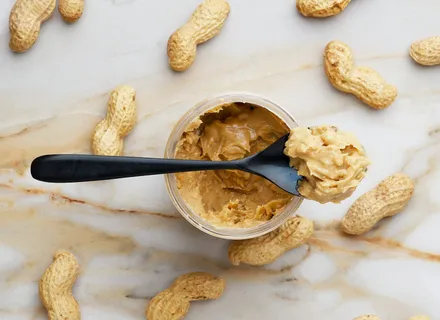
- Peanut butter (many “natural” and “low-sugar” brands now use xylitol, always check the label before using peanut butter in a Kong or training treat)
- Sugar-free yogurt and pudding
- Sugar-free jam and ketchup
- Sugar-free maple syrup and pancake syrup
- Sugar-free ice cream (including some “keto” pints)
- Chewable vitamins and supplements, especially gummy vitamins
- Meltable medications designed for easier swallowing
- Some toothpastes (never use human toothpaste on a dog)
- Mouthwash and dental rinses
- Sugar-free protein bars (a sneaky one, often left in gym bags)
- Granulated xylitol sold as a baking sugar substitute (often in 1 to 5 pound bags, a serious risk if a dog chews through one)
The hidden category that traps the most owners: peanut butter. Brands like Go Nuts Co, Krush Nutrition, Nuts ‘N More, and P28 use xylitol. Always read the ingredients before sharing peanut butter, putting it in a Kong, or hiding a pill in it.
Symptoms and Timeline
Within 10 to 30 minutes (hypoglycemia phase):
- Vomiting (often the first sign)
- Weakness and lethargy
- Stumbling, lack of coordination
- Tremors
- Pale gums
- Collapse
- Seizures
12 to 72 hours (liver failure phase):
- Jaundice (yellowing of gums, eye whites, skin)
- Loss of appetite
- Vomiting
- Internal bleeding
- Coma
Hypoglycemic symptoms can come on suddenly and progress to collapse in under an hour. Liver failure is often silent until it is severe. Both require aggressive veterinary treatment, and even with treatment, mortality is significant in dogs that develop liver failure.
What the Vet Will Do
Standard protocol at BVERH or any 24/7 emergency vet for xylitol ingestion:
- Decontamination if within one hour: induced vomiting with apomorphine. Activated charcoal is generally not effective for xylitol, so it is not routinely used.
- Blood glucose check every 1 to 2 hours for 12 to 24 hours.
- IV dextrose to maintain blood sugar above the hypoglycemic threshold.
- IV fluids to support liver function and clearance.
- Liver protectants (SAMe, silymarin/milk thistle extract, N-acetylcysteine).
- Liver enzyme tests at 24, 48, and 72 hours. Rising enzymes indicate liver damage.
- Hospitalization for a minimum of 24 hours, often 3 to 5 days for moderate to severe cases.
Cost is significant. A mild case caught early can be $800 to $1,500. Severe cases requiring 5 days of ICU and liver support can exceed $5,000. Survival rates for the hypoglycemic phase with prompt treatment exceed 90 percent. Survival rates after liver failure develops drop to 60 percent or lower.
Prevention
- Treat any product labeled “sugar-free” as off-limits to dogs. Default to assuming it contains xylitol unless you have read the ingredients.
- Audit your peanut butter. Use brands that do not contain xylitol (Kirkland, Smucker’s Natural, Skippy, Jif, MaraNatha are typically safe), but always read the current label.
- Move gum and mints out of the front pocket of bags, jackets, and purses that end up on the floor or low surfaces.
- Tell house guests and dog walkers. Gym bags with protein bars are a classic accidental ingestion source.
- Use a child-locked drawer for baking xylitol if you bake low-sugar.
- Add BVERH (905-637-8111) and Pet Poison Helpline (1-855-764-7661) to your phone right now.
The complete Burlington emergency contact list and first-aid steps for related toxins are on our pet emergency page. The backyard summer hazards guide covers other common household poisons.
Xylitol is the toxin most underestimated by dog owners, and the one most likely to kill a small dog from a “tiny” exposure. If your dog has just eaten anything labeled sugar-free, do not wait to see what happens. Call (905) 637-8111. The first hour is everything.