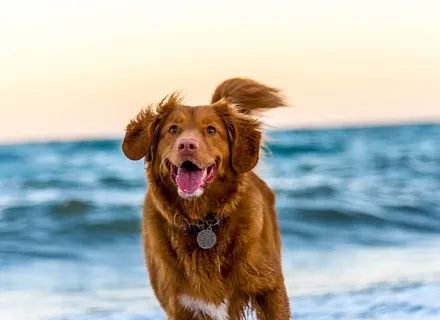
Caring for your dog’s winter coat requires adjusting your grooming routine to address the unique challenges cold weather brings, including drier skin, thicker fur, and increased matting risk. As temperatures drop, most dogs grow a denser undercoat for insulation, which means more brushing is essential to prevent tangles and distribute natural oils. You should increase brushing to at least three to four times per week, switch to a moisturizing shampoo to combat dry indoor air, reduce bathing frequency to every six to eight weeks, and pay special attention to paw care after walks on salted roads. Never shave a double-coated breed in winter, as their undercoat is their primary defense against the cold. With the right products and a consistent routine, you can keep your dog’s coat healthy, comfortable, and tangle-free throughout the coldest months of the year.
How Does Winter Affect Your Dog’s Coat?
Winter triggers significant changes in your dog’s coat that directly impact grooming needs. Most breeds grow a thicker undercoat starting in late fall, adding an extra layer of insulation against cold temperatures. This denser coat is more prone to matting and requires more frequent brushing to stay healthy and functional.
Indoor heating compounds the challenge by stripping moisture from the air. Dry air leads to dry skin, which causes flaking, itching, and a dull, brittle coat. Many owners mistake winter dryness for allergies or skin conditions when the real culprit is simply low indoor humidity.
The constant transition between cold outdoor air and warm indoor environments also stresses your dog’s coat. These temperature fluctuations can cause excessive shedding as the coat struggles to regulate. Dogs who spend time at daycare or in climate-controlled environments may experience less dramatic coat changes, but they still need winter-specific grooming adjustments.
Understanding these seasonal changes helps you anticipate your dog’s needs rather than reacting to problems after they develop. A proactive winter grooming routine prevents the painful matting, skin irritation, and paw damage that catch many pet owners off guard every year.
How Should You Adjust Brushing During Winter?
Increasing your brushing frequency during winter is the single most important grooming adjustment you can make. Thicker winter coats tangle faster, and mats that form close to the skin trap moisture and create a breeding ground for bacteria and skin infections.
For long-coated breeds like Shih Tzus, Collies, and Samoyeds, brush daily during winter months. Use a slicker brush to work through the outer coat and an undercoat rake to reach the dense inner layer. Pay extra attention to friction areas: behind the ears, under the legs, the chest, and wherever your dog wears a harness or collar. These spots mat first because of constant contact and movement.
For medium and double-coated breeds like Golden Retrievers and Huskies, increase brushing to three to four times per week. A deshedding tool helps manage the heavier undercoat without damaging the protective outer layer. These breeds should never be shaved in winter, as their double coat acts as natural insulation that keeps them warm in the cold and helps regulate body temperature.
For short-coated breeds like Beagles and Boxers, twice-weekly brushing with a rubber curry comb or bristle brush is sufficient. While their grooming needs change less dramatically in winter, regular brushing still helps stimulate oil production and keeps their thinner coats in good condition.
A detangling spray applied before brushing makes the process smoother and more comfortable for your dog. Mist lightly over the coat and work through sections systematically. Always brush before bathing. Wetting a matted coat makes the mats tighter and nearly impossible to remove without cutting.
For more on breed-specific brushing schedules throughout the year, see our complete guide on how often you should groom your dog.
How Do You Bathe Your Dog Safely in Winter?
Bathing during winter requires extra care to avoid chilling your dog and further drying out their skin. Reduce bathing frequency to every six to eight weeks, or only when your dog is genuinely dirty or smelly. Over-bathing in winter strips the natural oils that protect against dryness even more than it does in warmer months.
When you do bathe your dog in winter, follow these guidelines for a safe and comfortable experience.
Use lukewarm water, never hot. Hot water feels good momentarily but strips oils aggressively and can scald sensitive skin. The water should feel comfortably warm on your inner wrist, similar to the temperature you would use for a baby.
Choose a moisturizing shampoo formulated for dry or sensitive skin. Look for ingredients like oatmeal, aloe vera, coconut oil, or shea butter. Avoid shampoos with harsh detergents or artificial fragrances that can exacerbate winter dryness. Our Cute Stuff section carries veterinarian-recommended shampoos and conditioners perfect for winter coat care.
Add a conditioner or moisturizing treatment after shampooing. A leave-in conditioner helps lock in moisture and provides ongoing protection against dry indoor air. For dogs with particularly dry skin, a coconut oil treatment applied to the coat and skin once or twice a month can work wonders.
Dry your dog completely before allowing them outside. A damp coat in cold temperatures can cause dangerous chilling and actually promote the matting you are trying to prevent. Use a low-heat blow dryer, keeping it at least six inches from the skin and moving constantly to avoid heat concentration. Many dogs tolerate blow drying better after a trip to the groomer, where they become accustomed to the noise and sensation.
Professional grooming services ensure your dog gets a thorough, safe winter bath with appropriate products and complete drying, a worthwhile option when home bathing feels challenging in colder months.
How Do You Protect Your Dog’s Paws in Winter?
Paw care is arguably the most critical winter grooming concern. Road salt, chemical deicers, ice, and freezing temperatures all assault your dog’s paw pads, causing cracking, chemical burns, and significant discomfort. Dogs who walk on treated surfaces are also at risk of salt ingestion when they lick their paws after a walk.
Before walks, apply a paw balm or protective wax to create a barrier between your dog’s pads and harsh winter surfaces. These products seal the paw pads against salt and moisture while keeping the skin supple. Apply a thin, even layer and massage it in gently.
After every winter walk, rinse or wipe your dog’s paws thoroughly with a warm, damp cloth. This removes salt, chemical deicers, and any ice balls that may have formed between the toes. Check between the paw pads for trapped ice or debris, which can cause pain and frostbite if left in place.
Trim the fur between paw pads regularly during winter. Long hair between the pads collects ice and snow, forming painful balls that are difficult for your dog to remove on their own. Use blunt-tipped scissors or a small electric trimmer to keep this area neat. If you are uncomfortable doing this yourself, add it to your list for your next professional grooming appointment.
Consider dog booties for extended outdoor activities in extreme cold or heavily salted areas. Not all dogs accept booties immediately, so introduce them gradually indoors before expecting your dog to walk in them outside. Start with short sessions and lots of treats, adding more time as your dog adjusts.
Check nails more frequently in winter. Dogs may walk differently on icy or snowy surfaces, which changes how their nails wear down naturally. Some dogs need more frequent nail trims during winter months because they are getting less natural filing from pavement contact.
What Moisturizing Solutions Work Best for Winter Coat Care?
Combating winter dryness requires a multi-pronged approach that addresses the problem from both inside and outside. Topical products alone are not enough if your dog’s environment and diet are not supporting healthy skin and coat.
Dietary supplements are your most powerful tool against winter dryness. Omega-3 fatty acids from fish oil support skin health and coat shine from the inside out. Consult your veterinarian about the right dosage for your dog’s size. Many owners notice a dramatic improvement in coat quality within three to four weeks of starting omega-3 supplementation.
A humidifier in your home counteracts the drying effect of central heating. Maintaining indoor humidity between 30 and 50 percent benefits both your dog’s coat and your own skin and respiratory health. Place a humidifier in the room where your dog spends the most time.
Moisturizing grooming sprays can be applied between baths to hydrate the coat and reduce static electricity, which is a common winter annoyance that makes fur flyaway and difficult to manage. Look for sprays with natural moisturizers and avoid anything with alcohol, which has the opposite of the intended effect.
Coconut oil applied topically is a safe, natural moisturizer for dogs. Warm a small amount between your palms and massage it into dry areas, particularly elbows, nose, and paw pads. Use sparingly. A little goes a long way, and too much can make the coat greasy. You can also add a small amount to your dog’s food for internal moisturizing benefits.
Oatmeal-based products are excellent for dogs with dry, itchy winter skin. Colloidal oatmeal soothes irritation and creates a protective barrier on the skin. Use an oatmeal shampoo for baths and consider an oatmeal-based leave-in treatment for ongoing relief.
Should You Trim or Cut Your Dog’s Coat in Winter?
The question of whether to trim during winter depends entirely on your dog’s breed and coat type. Getting this wrong can leave your dog vulnerable to cold weather, so understanding the distinction is important.
Double-coated breeds should never be shaved or closely trimmed in winter. Huskies, Malamutes, German Shepherds, Golden Retrievers, and similar breeds rely on their undercoat for insulation. Shaving removes this natural thermostat and can permanently damage the coat’s texture and regrowth pattern. Light tidying of feathering around the legs, belly, and sanitary areas is appropriate, but the bulk of the coat should remain intact.
Single-coated breeds that require regular haircuts (like Poodles, Bichon Frises, and many terriers) should keep their hair slightly longer in winter than in summer. Instead of a close cut, leave an extra half inch to inch of length for added warmth. These breeds still need regular professional grooming to prevent matting, but the style can be adjusted for the season.
All breeds benefit from trimming the paw pad fur and sanitary areas during winter. Snow and ice cling to long paw hair, and longer belly fur can collect ice during outdoor romps. These targeted trims improve comfort without sacrificing insulation.
If you are unsure about what winter trimming your dog’s specific breed needs, our grooming team at Pawlington can create a seasonal plan that keeps your dog warm, comfortable, and well-maintained. We see dogs of every breed and coat type and understand how to adjust grooming strategies for each season.
How Do You Handle Winter Shedding?
Winter shedding catches many owners off guard. While spring is traditionally considered shedding season, many dogs shed significantly throughout winter as well, particularly if they spend most of their time in heated indoor environments.
Dogs living primarily indoors in climate-controlled homes often shed more evenly year-round because artificial lighting and consistent temperatures disrupt the natural coat cycle. This means you cannot simply put away the deshedding tools when winter arrives.
To manage winter shedding effectively, maintain consistent brushing with an undercoat rake or deshedding tool for double-coated breeds. Regular brushing removes loose fur before it ends up on your furniture, clothing, and car. A grooming glove can be useful for quick daily sessions with dogs who are not fans of traditional brushing tools.
Nutrition plays a key role in shedding management. Dogs with nutritional deficiencies tend to shed more and have dull, brittle coats. Ensure your dog’s diet includes adequate protein and fat, and consider the omega-3 supplements discussed earlier. Proper hydration is equally important. Make sure fresh water is always available, and note that heated indoor air increases your dog’s water needs.
If shedding seems excessive or is accompanied by bald patches, redness, or skin irritation, schedule a veterinary check. Abnormal shedding patterns can indicate thyroid issues, allergies, or other health concerns that require medical attention rather than grooming solutions. Sometimes what appears to be a grooming issue is actually one of the signs your dog needs professional attention.
What Winter Grooming Supplies Should You Stock Up On?
Having the right winter grooming supplies on hand before the cold weather arrives saves you from scrambling when problems develop. Here is a checklist of essential winter grooming items every dog owner should have.
- Moisturizing shampoo and conditioner formulated for dry or sensitive skin
- Leave-in conditioning spray for between-bath moisture
- Paw balm or protective wax for before-walk application
- Paw wipes or a warm rinse station for after-walk cleanup
- Undercoat rake or deshedding tool appropriate for your dog’s coat type
- Slicker brush for detangling and mat prevention
- Blunt-tipped scissors for trimming paw pad fur
- Nail clippers or grinder since nails may need more frequent attention
- Dog-safe coconut oil for topical moisturizing
- Styptic powder in case of minor nicks during grooming
- A humidifier for your home
Stock up before winter hits in full force. Visit our Cute Stuff collection for a curated selection of winter grooming essentials chosen by our professional grooming team. We carry only products we trust and use ourselves.
Give Your Dog the Best Winter Coat Care
Winter grooming does not have to be complicated, but it does require deliberate adjustments to your regular routine. By increasing brushing frequency, using moisturizing products, protecting paws, and making smart decisions about coat length, you can keep your dog comfortable and healthy all winter long.
Need help creating a winter grooming plan for your specific dog? Our professional groomers at Pawlington understand the unique needs of every breed and coat type during the cold months.
Book a winter grooming session at Pawlington and let our team help your dog look and feel their best all season.