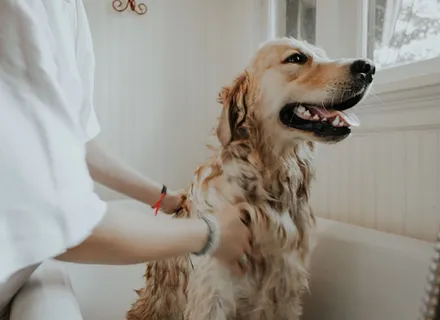
How often you should groom your dog depends primarily on their breed and coat type, but most dogs need some form of grooming every 4 to 8 weeks. Long-coated breeds like Shih Tzus and Yorkshire Terriers require daily brushing and professional grooming every 4 to 6 weeks. Medium-coated breeds such as Golden Retrievers do well with brushing two to three times per week and professional sessions every 6 to 8 weeks. Short-coated breeds like Beagles and Boxers are the most low-maintenance, needing weekly brushing and baths every 6 to 8 weeks. Beyond coat care, every dog needs regular nail trimming, ear cleaning, and dental attention regardless of breed. Your dog’s lifestyle (whether they spend time outdoors, swim frequently, or have skin conditions) also influences how often they need grooming care.
What Grooming Does Each Coat Type Need?
Different coat types demand different grooming routines. Understanding your dog’s coat is the foundation of a proper grooming schedule. Dogs with double coats need more attention during shedding seasons, while single-coated breeds may need more frequent haircuts but shed less overall. Here is a breakdown by coat type.
Long Coats
Breeds like Afghan Hounds, Maltese, and Lhasa Apsos have hair that grows continuously and tangles easily. These dogs need daily brushing with a pin brush or slicker brush to prevent matting. Professional grooming sessions every 4 to 6 weeks are essential to keep their coats manageable and healthy. Between professional visits, focus on detangling problem areas behind the ears, under the legs, and around the collar area.
Medium and Double Coats
Golden Retrievers, Huskies, German Shepherds, and Australian Shepherds fall into this category. Their double coats consist of a protective outer layer and a dense undercoat that sheds seasonally. Brush these breeds two to three times per week with an undercoat rake or deshedding tool. Professional grooming every 6 to 8 weeks helps manage shedding and keeps the coat healthy. During spring and fall shedding seasons, daily brushing may be necessary. Check out our seasonal grooming tips for more on managing coat changes throughout the year.
Short and Smooth Coats
Beagles, Dalmatians, Boxers, and Dobermans have short coats that are relatively easy to maintain. Weekly brushing with a bristle brush or rubber curry comb removes loose hair and stimulates natural oil production. These breeds typically need baths every 6 to 8 weeks, or when they get noticeably dirty or smelly.
Wire and Rough Coats
Terriers like Wire Fox Terriers, Schnauzers, and Airedale Terriers have wiry coats that require a specialized technique called hand-stripping every 8 to 12 weeks. Between stripping sessions, brush two to three times per week with a slicker brush. Many owners opt for clipping instead of hand-stripping, which changes the coat texture but is easier to maintain.
Curly and Wool Coats
Poodles, Bichon Frises, and Doodle mixes have curly coats that grow continuously and mat easily if neglected. These breeds need brushing every day or every other day and professional grooming every 4 to 6 weeks. Because their coats do not shed naturally, regular haircuts are mandatory to prevent the coat from becoming an unmanageable, matted mess.
How Often Should You Bathe Your Dog?
Most dogs need a bath every 4 to 8 weeks, though the ideal frequency depends on breed, activity level, and skin health. Oily-coated breeds like Basset Hounds benefit from weekly baths. Dogs with water-repellent coats like Labrador Retrievers should be bathed less often to preserve their natural oils. Over-bathing strips essential oils and causes dry, flaky skin.
When you do bathe your dog, always use a shampoo formulated specifically for dogs. Human shampoos have the wrong pH balance and can irritate canine skin. If your dog has sensitive skin or allergies, ask your veterinarian about medicated or hypoallergenic options.
For dogs who love romping through mud or swimming in lakes, a quick rinse with plain water between full baths can keep them clean without stripping their coat. Many owners find that a good rinse station at home or at a facility like our daycare helps manage dirt between bath days.
How Often Should You Brush Your Dog’s Teeth?
Ideally, you should brush your dog’s teeth daily. Dental disease affects over 80 percent of dogs by age three, making oral hygiene one of the most important (and most overlooked) aspects of grooming. Daily brushing with a dog-specific toothpaste prevents plaque buildup, gum disease, and the bacteria that cause bad breath.
If daily brushing is not realistic for your schedule, aim for at least three times per week. Supplement brushing with dental chews, water additives, and annual professional dental cleanings from your veterinarian. Watch for warning signs like bad breath, swollen gums, difficulty eating, or loose teeth.
Start dental care early with puppies so they become comfortable with having their mouth handled. Use a finger brush or soft-bristled dog toothbrush and let them taste the toothpaste before working up to full brushing sessions.
How Do You Know When Your Dog Needs Grooming?
Beyond following a regular schedule, watch for these physical signs that indicate your dog needs grooming attention sooner. Visible mats or tangles in the coat are an obvious sign. Nails clicking on hard floors mean it is time for a trim. A strong or unusual odor suggests your dog needs a bath. Excessive scratching could indicate dirty skin, allergies, or parasites that a grooming session can help identify.
Other indicators include fur hanging over the eyes obstructing vision, hair growing between the paw pads making your dog slip on smooth floors, and dirty or smelly ears. If you notice any of these signs your dog needs professional grooming, do not wait for the next scheduled appointment.
Regular grooming is also an opportunity to check your dog for lumps, bumps, skin irritations, parasites like ticks and fleas, and other health concerns. Many skin conditions and health issues are first discovered during grooming sessions, making routine grooming a valuable part of preventive health care.
What Does a Complete Grooming Session Include?
A thorough grooming session covers much more than just the coat. Professional grooming typically includes bathing with appropriate shampoo and conditioner, blow drying, brushing and detangling, a haircut or trim as needed, nail trimming, ear cleaning, and sometimes anal gland expression. Some groomers also include teeth brushing and paw pad conditioning.
At Pawlington’s grooming service, our professional team tailors every session to your dog’s specific breed, coat type, and individual needs. We use gentle, high-quality products and take the time to make each dog feel comfortable and safe throughout the process.
Between professional sessions, your at-home grooming routine should include regular brushing, occasional baths, weekly ear checks, and keeping an eye on nail length. Having the right tools makes home grooming much easier. Visit our Cute Stuff section for brushes, shampoos, nail clippers, and other grooming essentials recommended by our team.
How Does Lifestyle Affect Grooming Frequency?
Your dog’s daily activities play a significant role in determining how often they need grooming. An active dog who hikes, swims, or plays in the mud will obviously need more frequent baths and brushing than a primarily indoor companion. Consider these lifestyle factors when setting your grooming schedule.
Outdoor and active dogs who spend significant time outside accumulate dirt, debris, and potential parasites more quickly. These dogs benefit from a quick brushdown after each outdoor adventure and more frequent baths, roughly every 2 to 4 weeks depending on coat type.
Dogs who attend daycare or socialize regularly with other dogs may need more frequent ear cleaning and overall hygiene attention. Social environments, while wonderful for your dog’s mental health and stimulation, can increase exposure to minor skin and ear issues. Our daycare program includes basic hygiene checks to help catch any concerns early.
Primarily indoor dogs with limited outdoor exposure can often extend their grooming intervals slightly. However, indoor environments with central heating can dry out a dog’s coat, so regular brushing to distribute natural oils remains important even for couch potato pups.
Dogs with allergies or skin conditions may need specialized grooming schedules recommended by their veterinarian. This could mean more frequent medicated baths, specific shampoos, or adjusted brushing routines to manage their condition.
What Grooming Mistakes Should You Avoid?
Even well-intentioned owners can make grooming errors that affect their dog’s comfort and health. Knowing what to avoid is just as important as knowing what to do. Here are the most common mistakes and how to prevent them.
Bathing too frequently strips natural oils and causes dry, irritated skin. Stick to breed-appropriate intervals and resist the urge to bathe your dog every week unless specifically recommended by a veterinarian.
Brushing a dry, dirty coat can cause breakage and discomfort. For long-coated breeds, lightly mist the coat with a detangling spray before brushing. Always start from the ends and work your way toward the skin to avoid pulling.
Neglecting the undercoat in double-coated breeds leads to matting close to the skin that is painful and difficult to remove. Use an undercoat rake or deshedding tool to reach the dense inner layer, especially during shedding season.
Shaving double-coated breeds is a common mistake. Breeds like Huskies and Golden Retrievers should never be shaved, as their double coat provides insulation in both hot and cold weather. Shaving can permanently damage the coat texture and does not actually keep them cooler.
Cutting nails too short causes pain and bleeding. If you are unsure about proper technique, read our nail trimming guide or ask a professional groomer to show you the correct method.
Creating Your Dog’s Grooming Schedule
Building a personalized grooming schedule ensures nothing falls through the cracks. Start by identifying your dog’s coat type from the categories above, then factor in their lifestyle and any special needs. Here is a general framework you can adapt.
Daily tasks: Brush long and curly coats, quick body check for ticks or skin issues, teeth brushing.
Weekly tasks: Brush short and medium coats, check and clean ears, inspect nails, wipe around eyes.
Monthly tasks: Full bath (adjust frequency to coat type), deep conditioning treatment for dry coats.
Every 4-8 weeks: Professional grooming session including haircut, thorough nail trim, ear cleaning, and full coat maintenance.
Seasonally: Adjust routine for shedding seasons, update products for weather changes, check paw pads for cracking in winter or burns in summer.
Consistency matters more than perfection. Even if you cannot follow every step every day, maintaining a regular grooming routine keeps your dog comfortable and helps you spot health issues early.
Book Your Dog’s Grooming Appointment
Every dog deserves to look and feel their best. Whether your pup needs a quick brush-up or a full grooming transformation, our experienced team at Pawlington is here to help. We customize every session based on your dog’s breed, coat type, and personality.
Book a grooming appointment at Pawlington and let our professionals create a grooming plan tailored to your dog’s unique needs.