
Most owners worry about the trail hazards and pavement temperatures of summer, and rightly so. But the place your dog actually spends most of their summer hours is the backyard, and the backyard hides a surprisingly long list of hazards that don’t always make it into the standard summer safety articles. Toxic ornamentals, fertilizer residue, barbecue temptations, pool risks, and a handful of seasonal critters are all close enough to matter. This guide walks through the backyard from the perimeter inward, with what to watch for, what to remove, and what to teach.
Toxic Plants in the GTA Yard
Southern Ontario gardens lean heavily on a small group of perennials, ornamentals, and shrubs that look beautiful and are unsafe for dogs in varying degrees. The categories matter because the response differs.
Seriously dangerous (call your vet immediately if ingested)
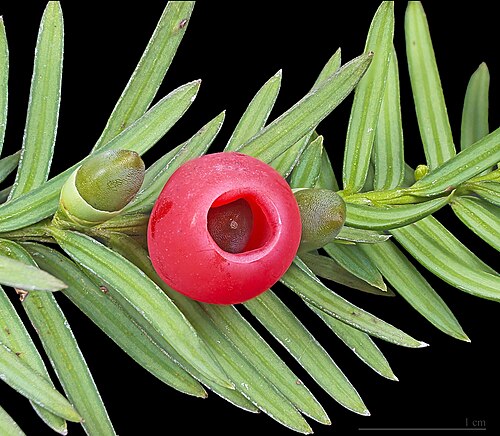
Yew Taxus species
The decorative hedge of choice in many GTA front yards and cemeteries. The needles, bark, and seeds all contain taxine alkaloids; only the red flesh of the berry is safe. Ingestion can cause sudden cardiac arrest within hours, often without warning signs. Treat any chewing as an emergency.
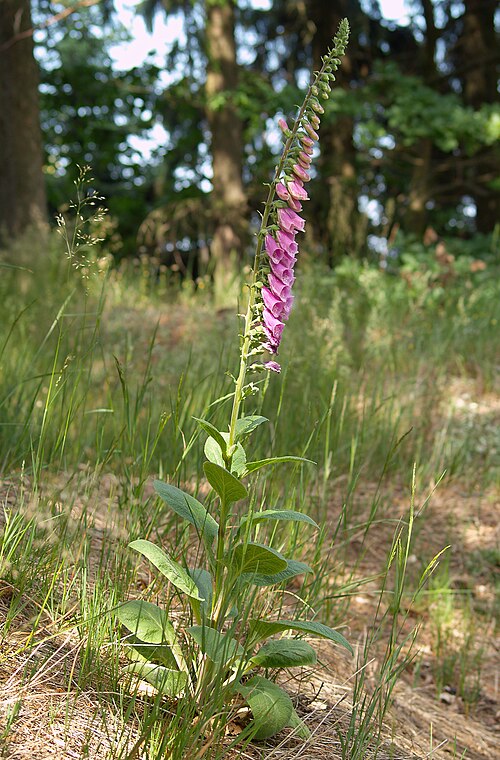
Foxglove Digitalis purpurea
The tall pink-purple spires are a cottage-garden classic. The leaves contain cardiac glycosides similar to digoxin; even chewing one leaf can cause vomiting, abnormal heart rhythm, and collapse. Fatal doses are small. Fence it off, or skip it entirely if your dog grazes.
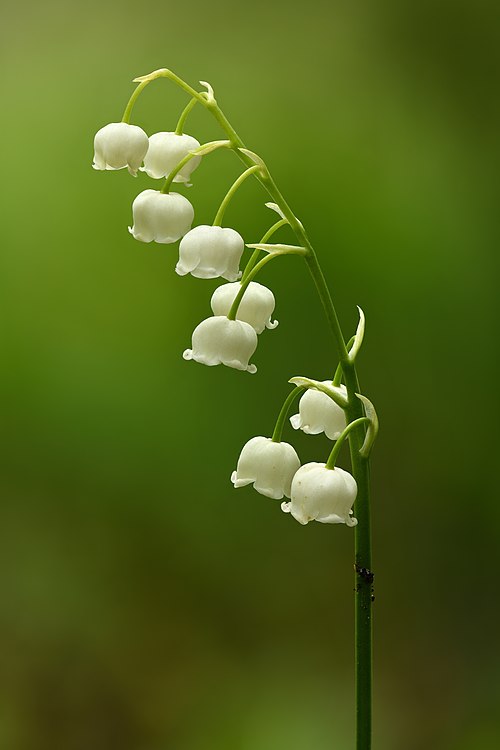
Lily of the valley Convallaria majalis
Spreads aggressively as a shade ground cover and looks innocent. Every part contains cardiac glycosides similar to foxglove. Symptoms appear within hours: vomiting, slowed heart rate, disorientation. Common in established GTA gardens and ravine edges.
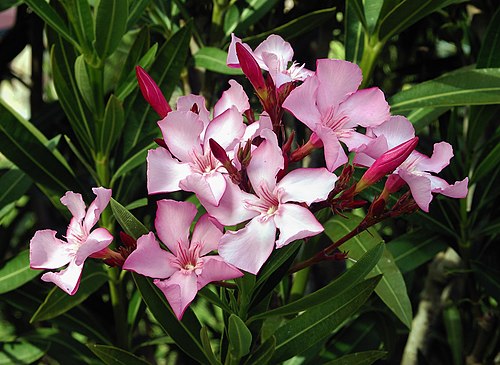
Oleander Nerium oleander
Less common outdoors in Ontario but increasingly seen as a patio container plant and indoor display. All parts are dangerous, leaves, flowers, stems, even water from a vase that held cuttings. Causes cardiac and GI symptoms. Often fatal.
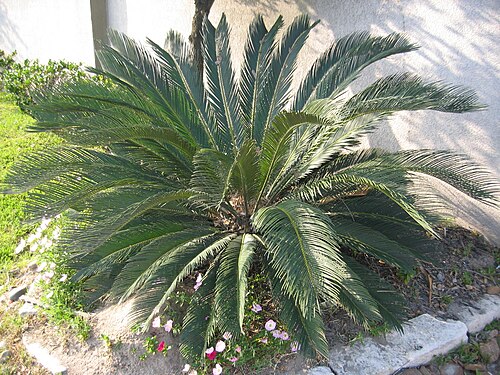
Sago palm Cycas revoluta
A trendy houseplant and patio container plant despite the name (it's actually a cycad, not a palm). The seeds and roots are the most toxic part, but every part is dangerous. Causes liver failure, frequently fatal even with aggressive treatment. Skip entirely if you have a dog.
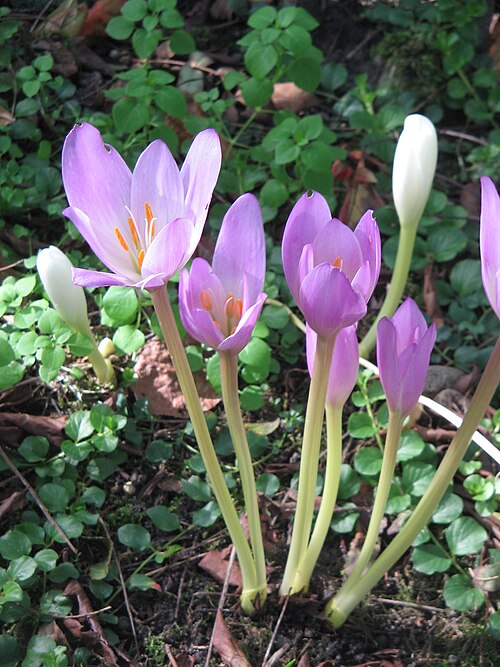
Autumn crocus Colchicum autumnale
Looks almost identical to safe spring crocuses but blooms in fall. All parts contain colchicine, which causes severe GI bleeding, organ failure, and bone marrow suppression. Symptoms can be delayed by days, making poisoning easy to miss. Check before planting.
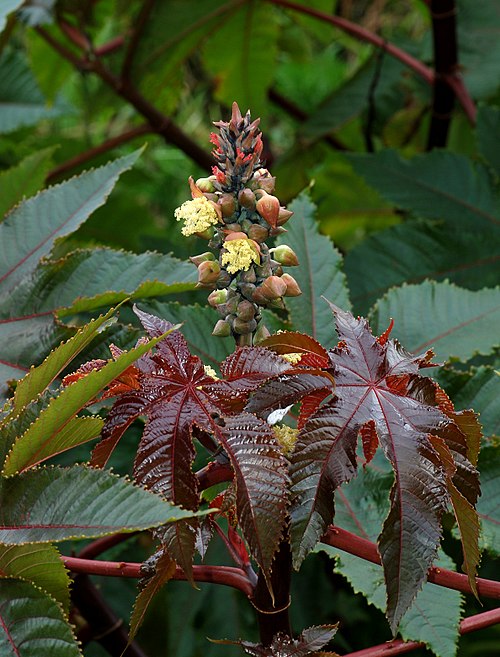
Castor bean Ricinus communis
Sometimes planted ornamentally for its dramatic red-purple foliage and seed pods. The mottled seeds contain ricin, one of the most potent natural toxins known. A few chewed seeds can be fatal. Symptoms include severe vomiting, bloody diarrhea, and seizures.
Moderately toxic (induces GI upset, sometimes more serious)
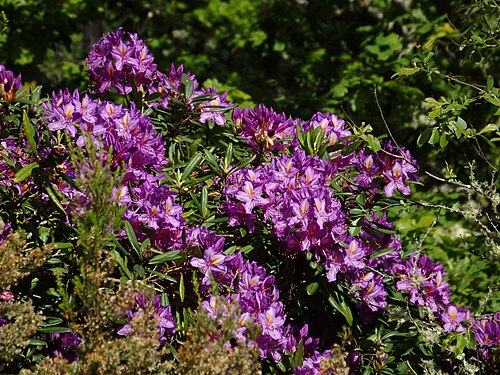
Rhododendron & azalea Rhododendron species
Among the most common foundation plantings in Halton gardens. The leaves and flowers contain grayanotoxin, which causes drooling, vomiting, weakness, and at higher doses cardiac arrhythmia. A few leaves usually cause GI upset; significant amounts can be serious.
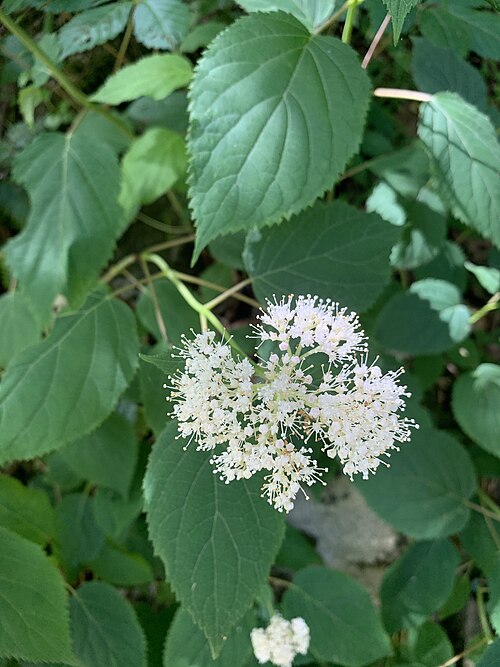
Hydrangea Hydrangea species
A summer-blooming favourite with massive blue, pink, or white flower heads. Contains cyanogenic glycosides in the leaves and flowers. Moderate amounts cause GI distress; larger amounts can cause serious illness. Most dogs sample once and learn.
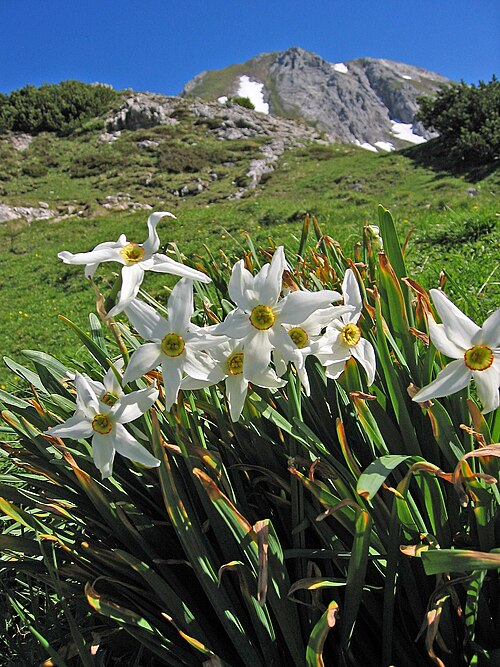
Tulip & daffodil bulbs Narcissus / Tulipa
The bulbs are the dangerous part, significantly more toxic than the leaves or flowers. Dogs digging up freshly planted bulbs in fall is the most common case. Causes vomiting, diarrhea, drooling, and in serious cases cardiac issues. Plant bulbs deep or in fenced beds.
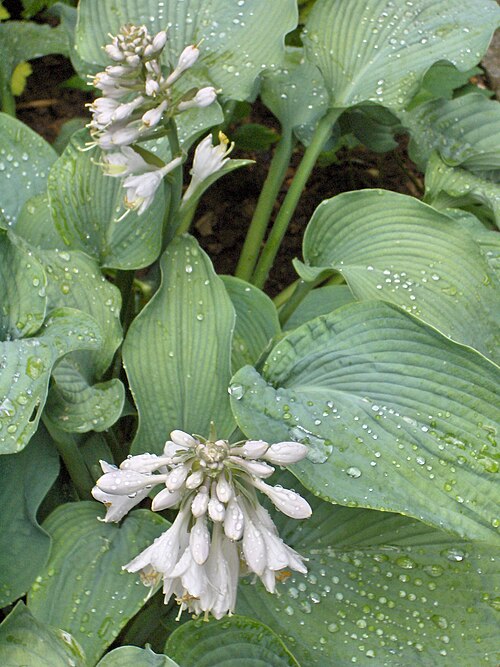
Hosta Hosta species
The classic shady-garden plant with broad leaves and tall flower spikes. Contains saponins; causes vomiting, diarrhea, and depression in dogs that nibble. Rarely anything more serious, but common enough in GTA yards that most dogs sample one at some point.
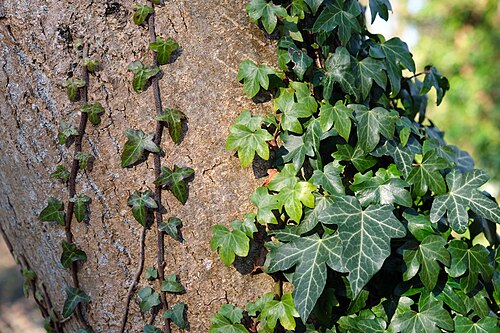
English ivy Hedera helix
Climbs walls and fences and spreads as a stubborn ground cover. The leaves and berries cause oral irritation, drooling, and GI upset. Not usually fatal but uncomfortable. The cuts and scrapes from rough stems are an underrated issue for dogs that push through it.
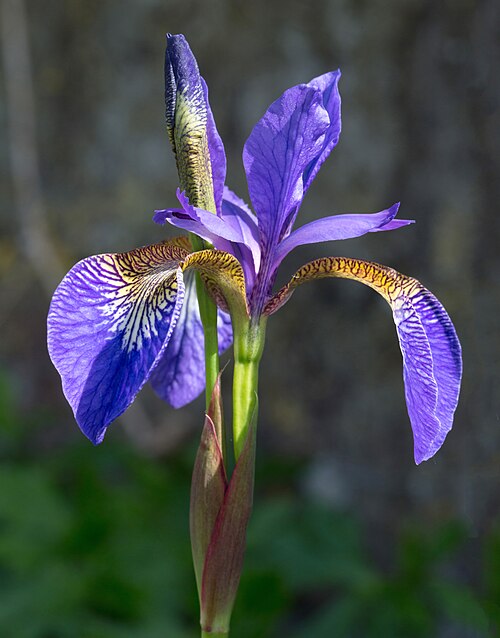
Iris Iris species
Bearded irises in flower beds, Siberian irises along fences. The rhizomes (underground bulbs) are the toxic part, more so than the foliage. Causes drooling, vomiting, and skin irritation. Dogs that dig are at higher risk.
Mildly toxic to dogs
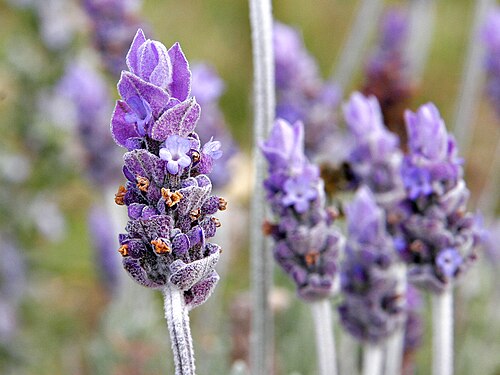
Lavender, mint & culinary herbs Lavandula and others
Garden herbs are generally safe in passing nibbles, which is why mint and lavender often appear on "safe plants" lists. Large amounts, like a dog eating from a planter full of fresh mint, can cause vomiting and lethargy. Essential oils are far more concentrated and should never be applied to dogs.
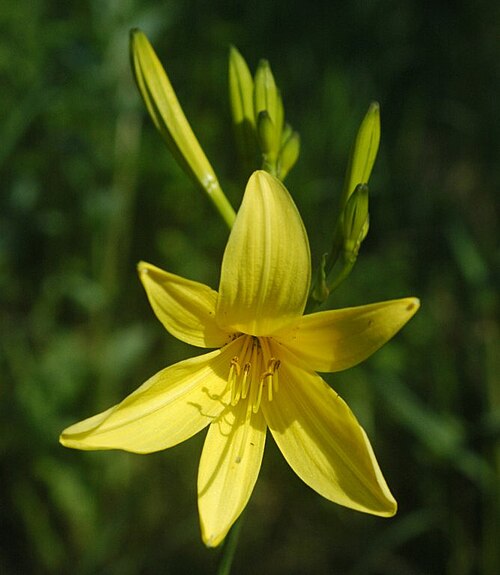
Daylilies Hemerocallis
Severely toxic to cats but only mildly so to dogs. The flowers and bulbs can cause GI upset in dogs. Worth knowing because daylilies grow everywhere in southern Ontario, including along trail edges, ditches, and freeway off-ramps.
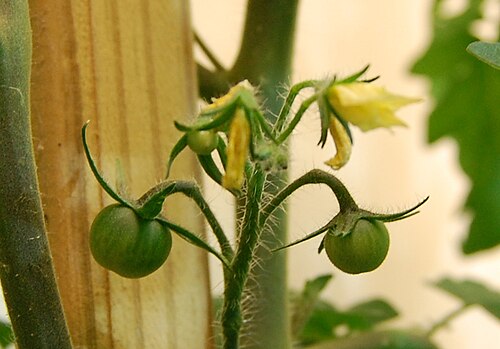
Tomato plants Solanum lycopersicum
The ripe red fruit is fine, but green tomatoes, leaves, stems, and vine ends contain solanine and tomatine. Dogs that dig in vegetable gardens are at highest risk. Causes vomiting, diarrhea, and lethargy; rarely serious unless large amounts are eaten.
Plant photos via Wikimedia Commons (CC-licensed). For a definitive reference, see the ASPCA Toxic and Non-Toxic Plants database.
If your dog eats any unfamiliar plant, snap a photo of the plant, note how much was eaten, and call your veterinarian or the Pet Poison Helpline (1-855-764-7661) before assuming it is fine.
Lawn Chemicals and Yard Treatments
Lawn care products are designed to do something to living tissue, and that something often doesn’t stop at the grass.
Fertilizers
Most synthetic fertilizers are mildly to moderately toxic if ingested directly off the lawn. Standard precaution: water in thoroughly after application and keep dogs off the lawn until fully dry, typically 24 to 48 hours.
Organic fertilizers are not automatically safer. In particular:
- Bone meal: Highly attractive to dogs (it smells like food), and a large enough ingestion can cause intestinal blockage or pancreatitis from the fat content.
- Blood meal: Same attractiveness problem, plus risk of severe iron toxicity if consumed in quantity.
- Cocoa mulch: Contains theobromine, the same compound that makes chocolate toxic. Avoid in dog-accessible yards entirely.
Herbicides and pesticides
Glyphosate (Roundup) and 2,4-D are the most common active ingredients. The acute toxicity is moderate, but chronic exposure has been associated with elevated cancer rates in some long-term studies of family dogs. Keep dogs off treated areas until fully dried.
Snail and slug bait containing metaldehyde is one of the most dangerous yard products for dogs. Even small amounts can cause seizures and death within hours. Switch to iron phosphate-based products if you have slug problems.
Rodenticides used in or near sheds and garages are another major killer. Modern anticoagulant rodenticides act slowly enough that owners often don’t realize the dog ate it until the dog is critically ill. If you must use them, place in inaccessible bait stations and consider mechanical alternatives.
Mulches and ground covers
- Cocoa bean mulch: Theobromine, as above. Avoid.
- Cedar mulch: Generally safe, but the splinters can be a GI hazard for chewers.
- Rubber mulch: Choking and obstruction risk for chewers.
- Pine straw and bark mulch: Generally safe in moderation.
The Barbecue Zone
Outdoor cooking is a backyard summer staple and one of the most common reasons dogs end up at the emergency vet during summer holidays. The mistakes:
Foods to absolutely keep away from dogs
- Onions, garlic, leeks, chives, shallots: All toxic, both raw and cooked. Includes onion powder and garlic powder, which are in most spice rubs.
- Grapes and raisins: Cause acute kidney failure in some dogs, even in tiny amounts. Mechanism still unclear; assume any amount is dangerous.
- Cooked bones: Splinter and can perforate the gut. Raw bones are a separate conversation; cooked bones are universally unsafe.
- Corn cobs: One of the single most common summer emergencies. Dogs eat the cob, it lodges in the intestine, surgery follows.
- Avocado pits and skin: Choking hazard plus mild persin toxicity.
- Macadamia nuts: Cause weakness and tremors in dogs.
- Xylitol: Sweetener in sugar-free gum, some peanut butters, baked goods. Extremely toxic, causes acute hypoglycemia and liver failure.
- Alcohol: Cocktails and beer left within reach are more common than you’d think.
Heat sources
Hot grills, fire pits, and tiki torches all cause burns. Citronella oil and tiki torch fuel are also toxic if ingested. Keep dogs at a safe distance during cooking and clean grease traps that drip beneath the grill.
Skewers
Bamboo and metal skewers smell like food and stay smelling like food in the trash. Dogs swallow them and the skewer becomes a perforation hazard. Dispose of used skewers in a secured outdoor bin, not the kitchen garbage.
A simple rule for guests
The plain-protein rule covers most situations: a small piece of unseasoned, well-cooked meat off the grill is fine for a healthy adult dog. Anything sauced, seasoned, marinated, or shared off a plate that has touched onions or garlic is not. Make sure everyone at the barbecue knows the rule.
Pool, Pond, and Water Safety
Water access in the backyard is wonderful and risky in roughly equal measure.
Pool basics
- Not every dog can swim. Many can paddle, but brachycephalic breeds (bulldogs, French bulldogs, pugs), deep-chested dogs, and short-legged or older dogs can struggle severely.
- Teach the exit first. Many drownings are dogs who can swim but can’t find the steps. Walk your dog to the exit on a leash multiple times until they know exactly where it is.
- Supervise every swim. Dogs tire much faster than they look, especially in cooler water.
- Use a properly fitted dog life jacket for any extended swim or for dogs new to swimming.
- Fence the pool. The single highest-impact safety intervention. Most pool-related dog deaths involve unsupervised yard access at night.
- Rinse after swimming. Chlorine, salt water, and pond water all irritate skin and ears if left to dry.
Pond and rainwater hazards
Standing water in the yard is a mosquito breeding ground (heartworm risk) and a leptospirosis risk. Empty buckets, kiddie pools, and tarps that collect water frequently.
Blue-green algae
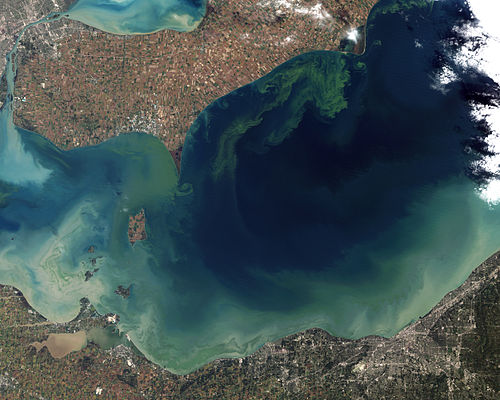
This is the one to know about for trips to lakes and ponds in the GTA. Blue-green algae (cyanobacteria) blooms in warm, stagnant fresh water during summer, the photo above is a Lake Erie bloom and captures the classic “spilled paint” look. The toxins it produces can kill a dog within hours of exposure, through drinking or even through skin contact during swimming.
Signs of a contaminated body of water:
- Green, blue-green, or rust-coloured film on the surface, sometimes looking like spilled paint
- A musty, earthy smell stronger than normal lake water
- Public health advisories (the Halton Region health department posts these during outbreaks)
If you see anything that looks like algae bloom, do not let your dog drink the water or swim in it. Rinse immediately if accidental contact occurs and call your vet at the first signs of vomiting, diarrhea, weakness, or seizures.
Wildlife and Pests
The backyard wildlife list in the GTA gets busier in summer.
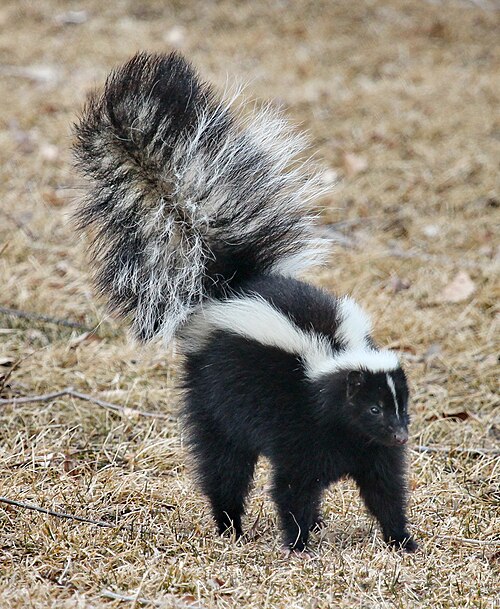
Skunks
The spray is more than an inconvenience. Direct eye contact with skunk spray can cause temporary blindness and chemical irritation. Most home remedies make things worse; the standard treatment is a mixture of hydrogen peroxide, baking soda, and dish soap (look up exact proportions before you need them).
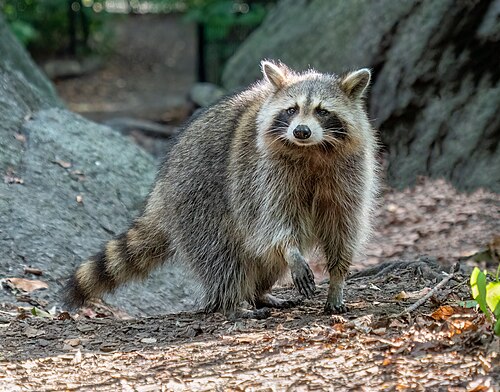
Raccoons
Carry rabies (rare but real), distemper, and roundworm. Keep dogs away from raccoon scat. If your dog is bitten in a wildlife encounter, vet visit and rabies booster, same day. Raccoons are more aggressive in defence of kits in late spring.
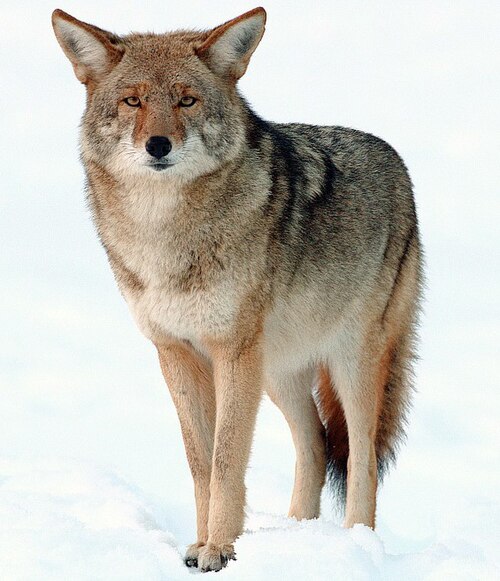
Coyotes
Increasingly bold in suburban GTA yards, especially at dusk and dawn. Small dogs are at higher risk and have been taken from backyards. Don't leave small dogs unattended in the yard at twilight in coyote-active neighbourhoods. Tall fences help but are not foolproof.
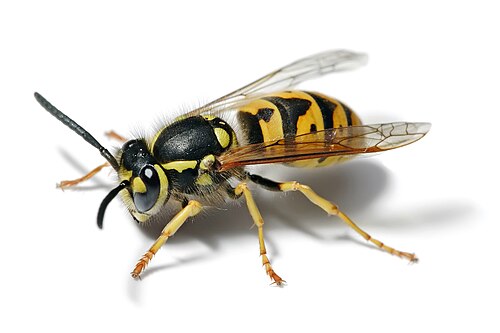
Bees, wasps & hornets
Most stings cause mild local swelling. Multiple stings or stings inside the mouth and throat are emergencies. Some dogs are anaphylactic. If your dog has ever had a severe reaction, talk to your vet about an emergency Benadryl protocol you can keep on hand. Wasps and hornets are far more aggressive than bees.
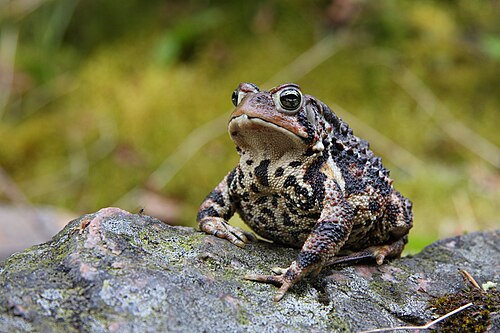
Toads
Most Ontario toads (American toad pictured) cause mild oral irritation and excessive drooling but not serious toxicity. The dangerous ones (cane toads, Colorado river toads) are not naturally found here, though they appear occasionally as escaped pets or rehomed animals in southern Ontario.
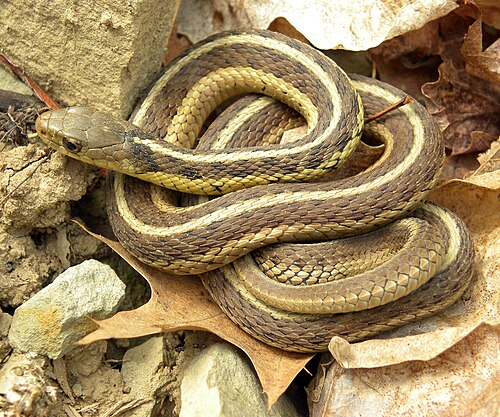
Snakes
Ontario has only one venomous snake (the massasauga rattlesnake), and it is not found in the GTA. Most snake encounters in our area are common garter snakes (pictured) and are harmless. A startled dog can still get bitten by a non-venomous snake, which warrants a vet check for infection.
Summer Heat in the Yard
A reminder that goes alongside our summer heat and hydration post: a yard can be a heatstroke environment as easily as a sidewalk. Direct afternoon sun, dark fences, and gravel or pavers radiating heat can push surface temperatures well above safe levels.
The basics:
- Always have shade available, ideally cooled by airflow
- Multiple water stations in different parts of the yard
- Avoid the hottest hours (11am to 4pm) for active play
- Watch flat-faced and heavy-coated breeds closely; they overheat first
A Backyard Safety Walkthrough
Once a season, do a 30-minute backyard audit:
- Walk the perimeter. Identify and photograph every plant. Check the toxic list.
- Check the fence line. Gaps, gate latches, and weak boards that have shifted over winter.
- Inventory chemicals and tools in sheds and garages. Anything dog-accessible goes up high or behind a secured door.
- Check the BBQ and grease trap. Drips beneath the grill are common.
- Inspect the pool fence, gate, and exit steps. Confirm the dog can find the exit.
- Look for standing water in buckets, tarps, kiddie pools, and old toys. Empty.
- Check overhead. Bird feeders attract rodents; rodent activity attracts predators.
- Update first aid supplies in the garage or shed, including hydrogen peroxide for skunk spray and pet-safe wound care.
When to Call the Vet vs. the Poison Hotline
For known toxic exposures, call your vet first if you can reach them and the situation is acute. For uncertain or after-hours exposures, the Pet Poison Helpline (1-855-764-7661) and the ASPCA Animal Poison Control Center (1-888-426-4435) are both excellent resources and worth saving in your phone now. There is a consultation fee, and the case number they give you is recognized by emergency veterinary clinics, which speeds treatment when minutes matter. For the full Burlington emergency list including BVERH (905-637-8111), see our pet emergency page.
Most backyard summer emergencies are preventable, and almost all of them are recognizable in hindsight. A 30-minute spring audit, a few non-negotiable rules at the barbecue, and a clear plan for pool exits and shade can dramatically reduce the risk profile of a summer in the yard. If you are travelling and need full-day care that keeps your dog out of the backyard hazards while you’re away, our boarding and daycare programs are built around exactly the kind of supervised summer environment that yards struggle to provide. Get in touch to talk through what your dog’s summer should look like.