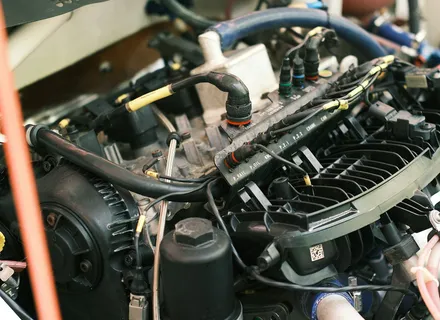
Ethylene glycol antifreeze is one of the deadliest dog poisonings in veterinary medicine. It is sweet-tasting, dogs willingly drink it from puddles and spills, and the toxic dose is shockingly small (a tablespoon can kill a small dog). The symptoms progress through a deceptive middle phase where the dog seems to recover, only to develop fatal kidney failure 24 to 72 hours later. Treatment is highly effective in the first 8 to 12 hours and much less effective after that window closes. If you suspect any exposure, call Burlington Veterinary Emergency Hospital (BVERH) at (905) 637-8111 and drive there immediately. This guide covers symptoms by phase, the critical antidote window, and prevention for Burlington winters.
What to Do in the First 10 Minutes
- Confirm the suspected source. Antifreeze container, garage puddle, driveway spill, leaking car radiator, pool winterization fluid. Take a photo if possible.
- Estimate the amount and the time of ingestion. Even a tablespoon can be lethal to a small dog. Note your dog’s weight.
- Call BVERH at (905) 637-8111 immediately and tell them you suspect antifreeze poisoning. Time matters more here than in almost any other poisoning.
- Do not wait for symptoms. The deceptive middle phase will fool you into thinking your dog is fine.
- Do not induce vomiting at home unless explicitly instructed. Some clinicians do recommend immediate vomiting induction for very recent ingestions; this is a decision for the vet on the phone.
- Drive to BVERH at 775 Woodview Road in Burlington. If you cannot reach BVERH, call the Pet Poison Helpline at 1-855-764-7661 or drive to the nearest 24/7 emergency clinic.
- Bring the container or a sample of the fluid so the vet can confirm ethylene glycol versus propylene glycol.
The full Burlington emergency contact list and first-aid steps for other winter emergencies are on our pet emergency page.
Why Antifreeze Is So Lethal
Ethylene glycol (the active ingredient in traditional automotive antifreeze) is sweet-tasting and pleasant to dogs. They drink it eagerly when they find it. Once swallowed, it is rapidly absorbed and metabolized by the liver into a series of toxic byproducts (glycolic acid, glyoxylic acid, and oxalic acid). Oxalic acid combines with calcium in the blood to form calcium oxalate crystals, which deposit in the kidneys and cause acute kidney failure.
The lethal dose:
| Dog weight | Lethal ethylene glycol (4.4 mL/kg) | Volume of typical 95% concentrate | Volume of 50% diluted coolant |
|---|---|---|---|
| 5 kg (11 lb) | 22 mL | ~1.5 tsp | ~3 tsp |
| 10 kg (22 lb) | 44 mL | ~3 tsp (1 tbsp) | ~6 tsp (2 tbsp) |
| 20 kg (44 lb) | 88 mL | ~6 tsp (2 tbsp) | ~4 tbsp |
| 30 kg (66 lb) | 132 mL | ~9 tsp (3 tbsp) | ~6 tbsp |
A small puddle a dog laps up casually can easily be a lethal dose. There is no safe amount.
The Three Phases of Poisoning
Phase 1: Drunkenness (30 minutes to 12 hours)
The first signs are similar to alcohol intoxication:
- Wobbling, stumbling, lack of coordination
- Drooling
- Vomiting
- Excessive thirst
- Excessive urination
- Lethargy
- In severe cases, seizures, tremors, or collapse
Many owners attribute these signs to something else (heatstroke, food poisoning, fatigue) and miss the diagnosis.
Phase 2: Apparent recovery (12 to 24 hours)
The dog seems to recover. The drunkenness wears off. The dog walks, eats, and drinks more normally. This is the most dangerous phase because owners often relax and decide not to go to the vet. In reality, ethylene glycol is being metabolized into its toxic byproducts and accumulating in the kidneys during this period.
Phase 3: Kidney failure (24 to 72 hours)
The kidneys fail. Symptoms include:
- Vomiting, often severe
- Lack of appetite
- Severe lethargy
- Mouth ulcers
- Decreased urination, then absent urination
- Foul, ammonia-like breath
- Tremors or seizures
- Coma
- Death
By the time Phase 3 symptoms appear, the antidote no longer works and supportive care has limited success. Dialysis is rarely available and prognosis is poor.
Why the 8-Hour Window Matters
The antidote (fomepizole or intravenous ethanol) works by blocking the enzyme that converts ethylene glycol into its toxic byproducts. As long as the ethylene glycol is still in its original form, the antidote prevents toxicity. Once metabolism is complete (typically 8 to 12 hours after ingestion), the damage is done and the antidote cannot reverse it.
This is why every minute counts. A dog brought in at hour 2 with confirmed antifreeze ingestion has an excellent prognosis. A dog brought in at hour 20 with the same exposure has a poor prognosis even with aggressive treatment.
The implication: if you have any reason to suspect antifreeze exposure, do not wait. Do not “see how she does.” Do not delay because the dog looks fine. The dog looking fine in hour 14 is exactly the deceptive middle phase, and waiting will likely cost your dog their life.
What the Vet Will Do
- Confirm exposure with bloodwork. Ethylene glycol levels can be measured directly in some clinics; commercially available test strips give rapid results. Bloodwork also shows metabolic acidosis and rising kidney values.
- Antidote (fomepizole or IV ethanol). Fomepizole is the gold standard but is expensive and not always immediately available. IV ethanol (yes, the same ethanol as in alcoholic drinks) is the older alternative and works through the same mechanism. The dog is intoxicated for the duration of treatment to keep the liver enzyme blocked.
- Aggressive IV fluid therapy to support kidneys and accelerate excretion.
- Bicarbonate to correct metabolic acidosis.
- Monitoring of kidney values, urine output, and acid-base status for 48 to 72 hours.
- Dialysis in rare cases at specialized facilities (Ontario Veterinary College in Guelph is the closest). Indicated for established kidney failure not responding to medical treatment.
Cost: prompt treatment within the antidote window typically runs $3,000 to $8,000 for 48 to 72 hours of intensive care. Late presentations with kidney failure are often $5,000 to $15,000+ and have a poor prognosis. Dialysis adds significantly more.
Prevention
- Switch to pet-safe propylene glycol antifreeze. Most major brands now offer it. It is roughly 30 times less toxic and lacks the sweet taste that attracts dogs.
- Inspect your garage floor regularly during cold months. Small leaks from older vehicles are a common exposure source.
- Watch for puddles in parking lots and driveways during cold weather, especially near auto repair shops, commuter parking, or after oil changes.
- Store any antifreeze in tightly sealed containers above counter height. Treat it like a controlled substance, not a household product.
- Be careful with toilet antifreeze in vacation properties. Many cottage and vacation homes use ethylene glycol antifreeze in toilets and plumbing as a winter freeze-prevention measure. Dogs visiting these properties for the first time may drink from the toilet before you have flushed it clean.
- Clean up any spills immediately and thoroughly. Use kitty litter or absorbent material, dispose of in sealed bags, and wash the area with detergent.
- Save BVERH (905-637-8111) and the Pet Poison Helpline (1-855-764-7661) in your phone now.
The complete Burlington emergency resource list is on our pet emergency page. For more on winter dog safety, see our winter pet care guide for Halton.
Antifreeze poisoning is the emergency where prevention and speed are everything. The dogs who survive are the ones whose owners suspected exposure and drove to the vet in hour 1 or 2, not the ones who waited to see what would happen. If you have even a slight reason to suspect your dog drank antifreeze, do not Google. Call (905) 637-8111 and drive.