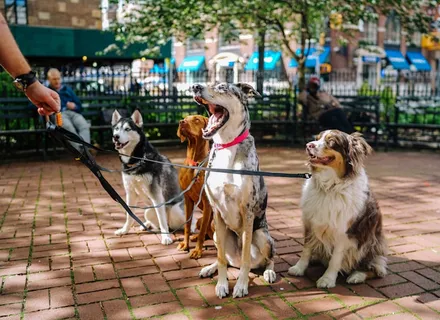
Bored dogs are destructive dogs, and the solution is almost always more mental stimulation, not more punishment. Dog enrichment activities challenge your pet’s brain through problem-solving, sensory exploration, and natural behaviors like sniffing, foraging, and shredding. According to research published in the journal Applied Animal Behaviour Science, dogs provided with regular enrichment show significantly fewer behavioral problems, including reduced barking, chewing, and anxiety-related behaviors. The good news is that effective enrichment does not require expensive equipment or hours of your time. Many of the best activities use items you already have at home. In this guide, we share 15 proven enrichment ideas that will keep your dog mentally engaged, emotionally balanced, and out of trouble.
Why Is Mental Stimulation Important for Dogs?
Mental stimulation is essential because dogs are intelligent animals bred for specific tasks like herding, hunting, and guarding. Without an outlet for that cognitive energy, dogs develop behavioral problems. Studies from the American Kennel Club (AKC) confirm that mental exercise can tire a dog out just as effectively as physical exercise, making enrichment a critical part of any pet care routine.
Dogs who receive regular mental stimulation are calmer at home, more responsive to training, and less prone to destructive behaviors. If your dog has ever shredded a couch cushion or dug up the yard, insufficient enrichment is often the root cause.
What Are the Best Food-Based Enrichment Activities?
Food-based enrichment taps into your dog’s natural foraging instincts and is one of the easiest ways to add mental stimulation to their day. These activities turn mealtime into brain time and require minimal setup.
1. Frozen Stuffed Kongs
Fill a Kong or similar rubber toy with a mixture of wet dog food, peanut butter (xylitol-free), banana, and kibble. Freeze it overnight for a long-lasting challenge. The irregular interior shape forces your dog to work with their tongue and paws to extract every morsel. Start with easy fillings for beginners and gradually increase the difficulty by packing the Kong tighter or using stickier ingredients.
2. Snuffle Mats
A snuffle mat is a fabric mat with long, shaggy strips where you hide kibble or treats. Your dog uses their nose to forage through the mat, which engages their olfactory system intensely. According to veterinary behaviorists, just 15 minutes of sniffing work can be as tiring as a 30-minute walk. You can purchase snuffle mats or make one from a rubber sink mat and fleece strips. Browse our Cute Stuff collection for snuffle mats and other enrichment tools.
3. Scatter Feeding
Instead of placing food in a bowl, scatter your dog’s kibble across the yard, a snuffle mat, or a safe indoor area. This simple change transforms a 30-second meal into a 15-minute foraging session. Scatter feeding works particularly well for dogs who eat too fast and is recommended by veterinary nutritionists as a way to slow down gulping.
4. Muffin Tin Puzzle
Place treats in a muffin tin and cover each cup with a tennis ball. Your dog must figure out how to remove the balls to access the treats underneath. This DIY puzzle is free, easy to set up, and provides a satisfying problem-solving challenge.
What Are the Best Scent-Based Enrichment Activities?
Scent work is arguably the most natural form of enrichment for dogs. A dog’s nose contains up to 300 million olfactory receptors compared to about 6 million in humans, and roughly 40 percent of a dog’s brain is dedicated to analyzing smells.
5. Indoor Scent Trails
Drag a smelly treat along the floor, around furniture, and behind doors to create a scent trail that ends at a hidden jackpot treat. Start with simple, short trails and gradually increase the complexity. This activity mimics tracking work and is mentally exhausting in the best way.
6. “Find It” Games
Hide treats or a favorite toy in different locations around your home and encourage your dog to search. Begin with easy hiding spots in plain sight and progressively increase the difficulty. This game strengthens your dog’s problem-solving skills and builds confidence. It also pairs beautifully with the foundational skills taught in our training programs.
7. Herb Garden Exploration
Create a small sensory garden with dog-safe herbs like rosemary, basil, mint, and parsley in pots. Let your dog sniff and explore the different scents. This provides novel olfactory stimulation and can be especially beneficial for dogs who spend most of their time indoors.
How Can I Use Puzzle Toys for Dog Enrichment?
Puzzle toys require your dog to manipulate objects, slide panels, or lift covers to access treats. They build problem-solving skills and can keep a dog occupied for extended periods.
8. Sliding Puzzle Boards
Commercial puzzle boards feature sliding compartments and flip-top covers that hide treats. Brands like Nina Ottosson offer varying difficulty levels from beginner to expert. Start with Level 1 puzzles and advance as your dog masters each one to prevent frustration.
9. DIY Cardboard Box Puzzle
Place treats inside a cardboard box, add crumpled newspaper or old towels, and let your dog dig through the box to find the rewards. You can nest smaller boxes inside larger ones for added difficulty. This activity satisfies the natural urge to shred and dig while being essentially free to set up.
10. Treat-Dispensing Balls
Treat-dispensing balls release kibble as your dog rolls and pushes them around. They are excellent for dogs who are home alone during the day and need an activity to keep them busy. These can replace a standard food bowl for one meal a day, turning passive eating into active problem-solving.
What Social and Physical Enrichment Activities Work Best?
Social interaction with other dogs and humans is a vital form of enrichment that many pet owners overlook. Dogs are social animals, and isolation can contribute to anxiety and stress.
11. Structured Playdates
Arrange regular playdates with compatible dogs in a safe, enclosed environment. Structured play sessions teach social skills, burn energy, and provide the kind of dynamic, unpredictable interaction that no toy can replicate. Our daycare program offers supervised group play sessions where dogs can socialize safely under professional guidance.
12. Guided Nature Walks
Take your dog on walks in new environments, allowing them to sniff freely and explore at their own pace. A “sniff walk” where your dog leads with their nose provides far more enrichment than a brisk walk along the same route every day. Our excursion services provide guided outdoor adventures through trails and parks, giving your dog novel sensory experiences in a safe, supervised setting.
13. Obstacle Course at Home
Create a simple agility course using household items: chairs to weave through, broomsticks balanced on books to jump over, a blanket draped over chairs to create a tunnel. Guide your dog through the course with treats and praise. This combines physical activity with problem-solving and strengthens the bond between you and your dog.
How Can Training Sessions Serve as Enrichment?
Training is one of the most underrated forms of enrichment. Every training session requires your dog to think, focus, and make decisions, which is exactly the kind of mental workout that prevents boredom.
14. Trick Training
Teaching new tricks goes beyond sit and stay. Try teaching your dog to spin, shake with alternating paws, play dead, or tidy up their toys into a basket. Each new trick builds neural pathways and gives your dog a sense of accomplishment. Short, positive sessions of 5-10 minutes are more effective than long drilling sessions. Learn more about effective training methods in our post on positive reinforcement training science.
15. Shaping Games
Shaping is a training technique where you reward your dog for progressively closer approximations of a desired behavior without luring or guiding them. Place a novel object, like an upside-down bucket, on the floor and click-and-treat any interaction your dog offers: looking at it, approaching it, touching it with a nose, placing a paw on it. Shaping games teach dogs to think independently and offer behaviors, which builds confidence and creativity.
How Do I Create an Enrichment Schedule?
Consistency matters more than intensity when it comes to enrichment. Rather than doing one marathon enrichment session, spread activities throughout the day for maximum benefit.
A sample daily enrichment schedule might look like this:
- Morning: Scatter-feed breakfast in the yard or use a snuffle mat (10 minutes)
- Midday: A puzzle toy or frozen Kong during your lunch break (15-20 minutes)
- Afternoon: A short training session working on a new trick (5-10 minutes)
- Evening: A “Find It” game or scent trail before dinner (10 minutes)
Rotate activities weekly so your dog does not become habituated to any single challenge. The goal is to provide variety and novelty, which keeps the brain engaged.
Which Enrichment Activities Are Best for High-Energy Breeds?
High-energy breeds like Border Collies, Australian Shepherds, and Belgian Malinois need more intensive enrichment than average. For these dogs, combine physical and mental challenges whenever possible. Flirt poles, advanced puzzle toys, and structured scent work are particularly effective. These breeds also thrive in training programs that give them a job to do, and regular daycare attendance helps burn excess energy through social play.
For a comprehensive guide on matching exercise levels to your dog’s breed, see our post on how much exercise your dog needs.
What Enrichment Mistakes Should I Avoid?
The most common mistake is making activities too difficult too quickly. If a dog cannot solve a puzzle within a few minutes, they may become frustrated and give up entirely. Always start with the easiest version of any activity and increase difficulty gradually.
Other mistakes include:
- Relying on a single activity: Dogs habituate to repetitive challenges. Rotate your enrichment activities regularly.
- Using enrichment as a substitute for companionship: Enrichment tools are not a replacement for quality time with your dog.
- Ignoring safety: Always supervise new toys and remove any parts that could be swallowed or cause choking.
- Forgetting calming activities: Not all enrichment should be high-energy. Include calming activities like lick mats and gentle scent work to help your dog practice settling.