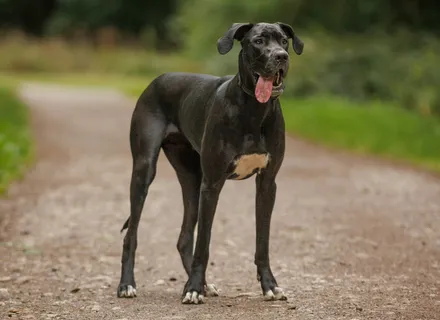
Bloat, technically called gastric dilatation volvulus (GDV), is the most time-critical emergency in dog medicine. The stomach fills with gas and twists on itself, cutting off blood supply, trapping the contents, and putting pressure on major blood vessels. Untreated, it is fatal within hours. If you see the classic signs (a restless dog, retching without producing vomit, a visibly swelling abdomen, pale gums, drooling), call Burlington Veterinary Emergency Hospital (BVERH) at (905) 637-8111 and drive there immediately. There is no home treatment. Surgery is the only definitive fix, and survival drops sharply for every hour of delay. This guide tells you how to recognize bloat, who is at highest risk, and exactly what to do.
What to Do in the First 10 Minutes
- Recognize the signs. Distended hard abdomen (often visibly larger than 30 minutes ago), repeated unsuccessful retching producing only foam or saliva, restless pacing, drooling, obvious discomfort, reluctance to lie down. Pale gums and weakness are late signs.
- Call BVERH at (905) 637-8111 immediately and tell them you suspect bloat. They will start preparing a surgical suite.
- Do not give water, food, or anything by mouth.
- Do not try to make the dog vomit. The stomach is twisted and nothing will come up.
- Drive straight to 775 Woodview Road in Burlington. For large breeds, two people transport is ideal: one drives, one stays with the dog and monitors gums and breathing.
- Do not detour to your regular vet unless it is closer than BVERH and they have surgical capacity. Most general practices cannot perform emergency GDV surgery.
- Be ready to consent to surgery on arrival. The pre-op blood work and imaging happen on the table.
The full Burlington 24/7 emergency vet list and first-aid steps for other life-threatening conditions are on our pet emergency page.
What Bloat Actually Is
Two things happen in GDV:
1. Dilatation (the gas): the stomach fills with gas, food, and fluid. The dog cannot belch or vomit because the entry and exit are blocked.
2. Volvulus (the twist): the dilated stomach rotates on its axis, usually 180 to 360 degrees. This twist seals off the esophagus (so nothing can come up) and the pylorus (so nothing can pass into the intestine). It also compresses the major blood vessels that supply the stomach and spleen.
Within minutes, the stomach tissue starts to die from lack of blood supply. Within an hour or two, the body goes into shock from compressed vena cava (the major vein returning blood to the heart). Without surgical intervention to untwist the stomach, the dog dies from cardiovascular collapse.
This is why no amount of waiting, home remedy, or “let’s see how she does” works. Every minute of delay reduces survival odds.
Which Dogs Are at Risk
Highest risk (lifetime incidence over 20 percent):
- Great Dane
- Standard Poodle
- Weimaraner
- Saint Bernard
- Irish Setter
- Gordon Setter
- Akita
High risk:
- German Shepherd
- Doberman Pinscher
- Bloodhound
- Newfoundland
Moderate to high (a growing concern in Burlington):
- Goldendoodles, Labradoodles, Bernedoodles (often inherit Standard Poodle chest conformation)
- Standard Schnauzer
- Boxer
- Golden Retriever
- Labrador Retriever (less common but documented)
Other risk factors:
- Older dogs (risk roughly doubles per year of age over 7)
- Lean body condition
- Anxious or stressed temperament
- Fast eaters
- One large meal per day
- Eating from a raised bowl (older recommendations were wrong about this, raised bowls now appear to increase risk)
- Recent gastrointestinal upset
Burlington has a notably high population of Doodles, Goldens, and Standard Poodles, all of whom land on this risk list. Knowing the early signs in advance is the difference between catching bloat in hour one (excellent survival odds) and hour three (much worse).
Symptoms and Timeline
Phase 1 (0 to 60 minutes):
- Restlessness, pacing
- Repeated attempts to vomit with nothing coming up except foam or saliva
- Visible enlargement of the abdomen, especially behind the ribs
- Drooling more than usual
- Looking at the belly or flank
- Reluctance to lie down, or lying in unusual positions to relieve pressure
Phase 2 (1 to 3 hours):
- Hard, drum-tight abdomen
- Pale gums (whitish or grey instead of pink)
- Capillary refill time longer than 2 seconds (press gum, count how long it takes to pink back up)
- Weakness, wobbling
- Rapid shallow breathing
- Fast weak pulse
Phase 3 (2 to 4 hours):
- Collapse
- Loss of consciousness
- Shock
- Death without surgical intervention
If you catch this in Phase 1, your dog has the best survival odds. If you wait until Phase 2, surgery is still life-saving but mortality rises significantly. Phase 3 patients often do not survive even with surgery.
What the Vet Will Do
Standard GDV emergency protocol at BVERH:
- Triage and IV access the moment you walk in. Large-bore IV catheters in two legs.
- Aggressive shock fluid therapy to support blood pressure.
- Decompression of the stomach to buy time, either via orogastric tube (a long tube passed through the mouth) or trocharization (a needle through the body wall to release gas).
- Imaging: a single right-lateral abdominal X-ray. The classic “double bubble” or “Popeye arm” appearance confirms volvulus.
- Emergency surgery: untwist the stomach (derotation), assess the stomach wall for areas of tissue death (requiring partial removal if present), and perform a gastropexy, surgically attaching the stomach to the body wall so it cannot twist again.
- Post-op ICU monitoring for 24 to 72 hours for arrhythmias, organ failure, and infection.
Cost: GDV surgery and ICU at BVERH typically runs $5,000 to $10,000+ depending on complications and length of stay. Pet insurance covers this if the policy was active before the episode. The survival rate with prompt surgery is 70 to 85 percent.
Prevention
- Feed two to three smaller meals daily instead of one large meal.
- Use a slow-feeder bowl or puzzle bowl for fast eaters. Halving the eating speed roughly halves the bloat risk in some studies.
- Avoid exercise for one hour before and one hour after meals. No fetch, no walks, no daycare romping immediately after feeding.
- Do not allow gulping of large amounts of water. Multiple small drinks throughout the day are safer than one large drink.
- Discuss prophylactic gastropexy with your vet if your dog is a high-risk breed. Gastropexy is commonly done at the time of spay or neuter for breeds like Great Danes and Standard Poodles. It does not prevent dilatation but prevents the volvulus, which is the part that kills.
- Keep BVERH (905-637-8111) in your phone with the address pre-saved in your maps app. Bloat is not a “research it online first” situation.
The complete Burlington emergency resource list is on our pet emergency page.
Bloat is the emergency where preparation truly saves lives. If you have a deep-chested breed, take 30 seconds right now to: save BVERH’s number, save the address (775 Woodview Road) as a favourite in your maps app, and read this guide back to your partner or whoever else feeds the dog. The dogs who survive bloat are the ones whose owners recognized Phase 1 and drove without hesitation.